 Add Row
  Add
Add 


Did you know that over 49% of small businesses now use commercial storage to optimize operations and control costs? As companies face inventory overflow, relocation needs, and limited office space, storage unit leasing for businesses is rapidly becoming a strategic staple in the commercial sector. In this actionable guide, discover how the right storage solution can streamline your operations, safeguard valuable assets, save money, and support your business growth.
Why Storage Unit Leasing for Businesses is a Strategic Move
Over 49% of small businesses now use commercial storage to optimize their operations and control costs.
- Increasing demand for commercial storage among local businesses
- Supports business relocation, inventory overflow, and document archiving
- Flexible leasing ideal for seasonal needs
As companies evolve and adapt to fluctuating market demands, finding flexible storage solutions is critical for operational efficiency and cost control. Storage unit leasing for businesses bridges the gap between limited office space and growing inventory, providing controlled storage environments for everything from excess files to bulk merchandize. In particular, local businesses and small business owners appreciate the ability to scale storage space up or down without the financial burden of larger, permanent facilities. With the market for commercial storage units growing in tandem with remote work, e-commerce, and expanded product lines, businesses now benefit from a range of configurable options—short-term, long-term, climate-controlled—to meet their evolving needs.

What You’ll Learn About Storage Unit Leasing for Businesses
- How to identify your commercial storage needs
- Key benefits and operational differences of business storage units
- Pricing, contract, and scalability options for storage unit leasing
- Critical security features in business storage units
- Legal, tax, and regulatory considerations
This guide is designed to empower business owners and facility managers with practical knowledge about storage unit leasing for businesses. You’ll discover how to assess your actual storage requirements, the differences between commercial and residential storage, and insider tips on negotiating lease terms and optimizing costs. From understanding security features to exploring tax deductions and compliance obligations, you’ll be prepared to make a well-informed, cost-effective decision that supports long-term business growth.
When evaluating your options, it’s helpful to compare available unit sizes and pricing to ensure you’re selecting the most cost-effective solution for your business. For a detailed breakdown of storage unit dimensions and current rates, you can review the storage unit size and price guide to match your needs with the right space.
Understanding Business Storage Requirements by Industry
Commercial Storage Needs for Retail, Construction, and Service Businesses
- Inventory management and overflow (retail)
- Storing seasonal or specialized equipment (construction)
- Document storage for local business and small business offices
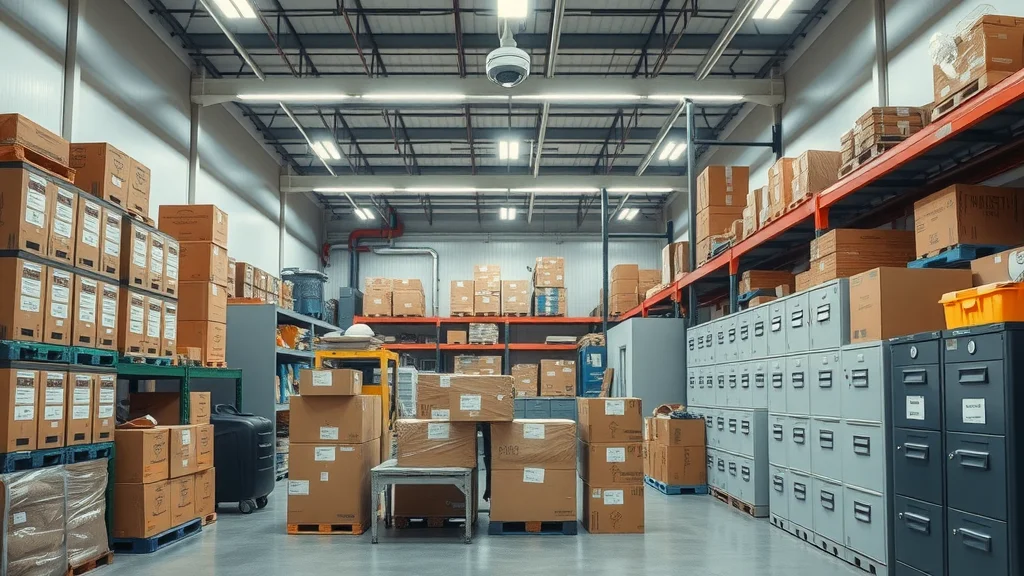
The type of storage unit your business requires depends on your sector, operational model, and growth projections. Retail businesses often need extra storage for seasonal inventory spikes, promotions, or unsold goods. In the construction industry, secure, climate-controlled commercial storage units keep equipment safe and organized between projects, while reducing clutter at job sites. For service-based local businesses—law firms, accountants, healthcare providers—the focus is on safe, compliant document storage and archiving sensitive records. Well-chosen business storage solutions help reduce clutter, improve workspace efficiency, and ensure that key materials are always accessible, ultimately supporting better operational performance regardless of industry.
How Storage Units Support Business Growth and Relocation
- Short-term leasing for business relocation or renovations
- Accessibility requirements and security features for stored assets
Growth and change are inevitable parts of business. When businesses relocate or remodel, the ability to quickly secure short-term commercial storage can make all the difference in minimizing downtime and disruptions. Storage unit leasing for businesses gives you a dedicated, secure place to keep assets during transitions, whether it’s for excess inventory, office furniture, or sensitive documents. Businesses also benefit from round-the-clock access hours and upgraded security features—features not always available in traditional warehouses. Moreover, many commercial storage providers allow businesses to adapt their storage solutions as needed, so you never pay for more space than required. Flexibility and quick accessibility ensure smooth operations, no matter the phase of your company’s journey.
Choosing the Right Storage Unit for Your Business
Factors in Selecting Commercial Storage Units
- Size guidelines: matching storage space to inventory volume
- Special considerations for sensitive items: climate control for document storage and electronics
- Proximity to business/office space for local businesses
When evaluating business storage unit options, start by analyzing how and why extra storage space is needed. Consider the square footage required—whether you're storing seasonal goods, surplus equipment, or archival files. Units range from compact lockers suitable for file boxes to expansive units that accommodate bulk inventory or large machinery. Sensitive stock like electronics or paper records benefit from climate-controlled storage, which guards against humidity and temperature swings. Finally, location matters: pick a storage facility that’s easily accessible from your main office space or retail location, streamlining logistics for your team and keeping disruption to a minimum. This thorough assessment helps ensure you select the right storage space for the job—and scale up or down as operations require.

Key Features in Business Storage Unit Leasing
- Flexible access hours
- Customizable lease contracts
- Options for scaling up or down
Today’s commercial storage units are designed for the fast-paced needs of modern enterprises. Look for facilities that offer 24/7 access hours to accommodate late shipments or early hauls. Lease agreements should be tailored to your projected business volume, with clear options for expanding, downsizing, or modifying terms mid-contract. Some storage unit providers offer value-added services such as digital inventory management, package receipt, and delivery—features that help small business owners stay organized and responsive. Ultimately, flexibility means your storage solution grows with you, removing the friction of fixed long-term leases and helping keep operational costs in check.
Comparison of Storage Unit Sizes and Business Use Cases
| Unit Size | Best For | Example Use Cases |
|---|---|---|
| 5’x5’ to 5’x10’ | Document Storage, Small Item Inventory | Law firms, accountants, startups managing archives or file boxes |
| 10’x10’ to 10’x15’ | Inventory, Equipment, Office Furniture | Retail business with overflow stock, construction tool storage, office relocations |
| 10’x20’ and above | Bulk Inventory, Machinery | Large retailers, event planners, manufacturers storing equipment or pallets |
Security and Access Controls in Storage Unit Leasing for Businesses
Essential Security Features for Commercial Storage
- Robust surveillance and onsite monitoring
- Controlled storage and restricted entry systems
- Insurance coverage for stored business assets
A secure commercial storage unit can mitigate risk and offer peace of mind to growing businesses.
Security is one of the top priorities when selecting a business storage unit. Leading storage facilities are equipped with 24/7 surveillance cameras, alarm systems, and on-site security personnel. Controlled entry—often via keycards or digital access codes—ensures only authorized users gain entry to your storage space. Many commercial storage units provide added insurance options, allowing businesses to protect valuable inventory or documents from theft, fire, or natural disasters. Choosing a facility with advanced security features helps lower risk and can even reduce business insurance premiums. Ultimately, secure storage is not just about asset protection—it’s about ensuring business continuity, reputation, and peace of mind.

Evaluating Security Features in Storage Facilities
- Evaluating security feature standards across providers
- Case example: A small business upgrading to secure business storage units
Not all storage facilities offer the same level of protection. When comparing providers, check for essential infrastructure like gated perimeters, monitored access points, motion-triggered lighting, and up-to-date fire suppression systems. Ask about the upkeep of security systems and whether the facility’s insurance covers business clients. For example, a local small business recently moved its documents and inventory from an outdated facility to a modern space with upgraded access controls and continuous CCTV coverage. This upgrade reduced losses, improved their own insurance coverage, and eliminated after-hours access issues for key staff. Prioritizing high security standards is vital to protect business assets and maintain compliance with industry regulations.
Cost, Scalability, and Lease Terms in Business Storage Unit Leasing
Pricing Models for Storage Unit Leasing for Businesses
- Monthly rental rates by storage unit size
- Discounts and options for long-term leases
- Additional fees: insurance, 24/7 access
Pricing for commercial storage is typically based on unit size, features (such as climate control), and access level. Smaller units are ideal for document or small equipment storage, while larger units accommodate inventory or bulk supplies. Most providers offer discounts for long-term contracts, and may bundle insurance or extended access hours at a reduced rate. However, be sure to factor in optional or required add-ons—such as mandatory insurance, administrative fees, or costs for 24/7 entry—when comparing providers. Transparent pricing helps you avoid budget surprises and ensures your business storage solution remains economical over time.
Business Storage Cost Comparison: Local Businesses vs. Enterprise Solutions
| Business Type | Average Monthly Cost (Standard Unit) | Features Included |
|---|---|---|
| Local Small Business | $120–$250 | Basic security, flexible contracts, optional climate control |
| Enterprise Company | $300–$800+ | Advanced surveillance, digital inventory management, 24/7 access, scalable units |

Scalability and Flexibility – Adapting Storage to Your Business Needs
- Short-term vs. long-term leasing contracts
- Switching storage solutions as business size changes
The right commercial storage unit lease can save companies up to 20% in annual operating costs.
As your business grows, so do your storage requirements. Leading commercial storage units offer flexible contracts that allow you to adapt quickly: increase your unit size to accommodate a surge in inventory, or downsize to save costs in slower seasons. Many providers allow businesses to switch units mid-lease or expand their storage footprint without termination fees. This scalability is especially important for seasonal retailers, construction teams with fluctuating project loads, or businesses navigating rapid expansion. Flexible storage unit leasing enables business owners to stay agile and cost-efficient, never committing to more space—or cost—than absolutely necessary.
Operational and Legal Considerations When Leasing Business Storage Units
Understanding Lease Agreements for Storage Unit Leasing for Businesses
- Common contract terms and liability considerations
- Compliance for storing business documents and inventory
Before signing a storage unit lease, understand what’s included: payment schedules, insurance requirements, liability clauses, and access policies. Review rules about what can and cannot be stored—hazardous materials, perishable goods, and certain electronics may be restricted. If you’re using the unit for document storage, verify that the facility meets legal standards for privacy and destruction (such as HIPAA for health records). Some contracts also specify notice periods for ending agreements, and penalties for defaulting. Always seek legal counsel or an experienced advisor to review lease terms to guarantee compliance and protect your business interests. Preparedness is key to a headache-free leasing experience.
Tax Deductions and Write-Offs for Business Storage Units
- IRS rules for deducting storage unit leasing costs
- Consulting with a tax advisor for business storage solutions
Business storage unit costs are often tax-deductible—as long as the space is used exclusively for business purposes. The IRS allows business owners to write off rental payments, security deposits, and even some utilities under business expenses (consult IRS Publication 535). To maximize deductions and avoid potential audits, keep detailed records of your unit’s use, lease agreement, and payment history. Engaging a qualified tax advisor ensures you’re getting the full benefit of available deductions while maintaining compliance with federal and state tax codes. The right financial strategy can further increase the value of your commercial storage investment.
Case Study: Leveraging Storage Unit Leasing for Small Business Growth
A Local Business Case: Streamlining Inventory with Commercial Storage
- Challenge: Seasonal fluctuations and limited office space
- Solution: Commercial storage units for excess inventory
- Result: Cost savings and improved operational efficiency
Consider a local retailer facing periodic overstock during holiday seasons. Their office space became unmanageable, leading to workflow bottlenecks and unhappy staff. By leasing a climate-controlled commercial storage unit nearby, they gained extra storage space for surplus goods and archived out-of-season products offsite. The result was a tidier workspace, streamlined shipping, and savings on overtime hours. As business scaled up, they increased their storage footprint without a major relocation—showcasing how strategic storage unit leasing for businesses supports both short-term and long-term growth.

People Also Ask: Expert Answers on Storage Unit Leasing for Businesses
Is it illegal to run a business out of a storage unit?
No, but with careful caveats. Most storage facilities prohibit strictly operating a business from within the storage unit itself—meaning, you can’t conduct sales, manufacturing, or customer meetings on site. However, you can use storage units to inventory goods, hold supplies, or archive documents that support your business operations elsewhere. Always check your lease agreement and local regulations before using commercial storage this way.
Can I use a storage unit as a business address?
Typically, commercial storage units cannot serve as a legal business address for licensing, mail, or deliveries, as they lack appropriate facilities for full-time business activities. Nonetheless, you may list the unit’s address for inventory paperwork or internal purposes, but always confirm with both your storage provider and local authorities before making it part of official business documentation.
Do storage units have lease agreements?
Yes. Nearly all storage unit rental scenarios require the business owner to sign a formal lease. These contracts outline terms such as access hours, payment schedules, insurance requirements, and usage restrictions. Review your agreement in detail and clarify any uncertainties with the provider prior to move-in.
Can a business write off a storage unit?
Absolutely. Storage unit leasing costs incurred for business purposes are generally tax-deductible as an operating expense. Maintain thorough records and consult your accountant to ensure you meet the IRS’s documentation requirements and leverage all available deductions.
FAQs on Storage Unit Leasing for Businesses
-
What size commercial storage unit do I need for my industry?
It depends on your assets—file storage can start as small as 5’x5’ while retailers or manufacturers might need 10’x20’ units for excess or seasonal inventory. Evaluate your storage needs by volume and category for the most cost-effective solution. -
Are storage facilities insured and who is liable for losses?
Many commercial storage facilities offer insurance, but you’ll often need to supplement with your own policy. Liability for losses varies; always discuss coverage with the provider before signing a lease. -
How do I handle hazardous materials in business storage units?
Most storage providers prohibit hazardous materials. Always consult your lease terms and the facility manager regarding what can be stored, and consider alternative solutions for regulated goods. -
What is the typical notice period for ending a business storage lease?
Standard notice periods range from 30 to 60 days. Read your agreement carefully to avoid penalties for early termination. -
Can I upgrade or downgrade my business storage unit mid-lease?
Many commercial storage facilities allow size changes mid-contract, often without penalty. Discuss this flexibility before signing to keep your options open as your business evolves.
Key Takeaways for Business Owners: Maximizing Value from Storage Unit Leasing
- Analyze storage needs specific to your business type and growth phases
- Prioritize security features and flexible access in commercial storage leasing
- Understand contract, tax, and compliance implications before leasing
- Revisit your storage solution as your company evolves
Looking Ahead: Trends in Business Storage Solutions
- Rising demand from e-commerce and remote businesses
- Integration of tech in inventory tracking within storage facilities
- Growing preference for eco-friendly and automated storage solutions
Start Your Storage Unit Leasing for Businesses: Contact Us Today
Ready to streamline your business storage solution? Call Us Now – 231-719-2483 Or Rent Online – Visit Our Website: https://GardDogStorage.com
Conclusion
Smart storage unit leasing for businesses enables growth, flexibility, and operational savings—secure the right space now to power your company’s success tomorrow.
If you’re ready to take the next step in optimizing your business storage, exploring the full range of unit sizes and transparent pricing can help you make a confident, informed decision. Gard Dog Storage offers a comprehensive overview of available options, making it easy to compare features and select the best fit for your evolving needs. By understanding your choices and planning ahead, you’ll position your business for greater efficiency and scalability. Discover how the right storage solution can support your growth—visit the storage unit size and price resource to unlock new possibilities for your business today.
Sources
- https://www.sba.gov/article/2023/jan/31/guide-using-storage-space-business-operations
- https://www.selfstorage.org/Knowledge-Base
- https://www.nytimes.com/2022/11/10/business/small-businesses-self-storage.html
- https://www.irs.gov/publications/p535
- https://www.modernstoreage.com/business-storage-solutions
To further enhance your understanding of storage unit leasing for businesses, consider exploring the following resources:
This resource provides insights into U-Haul’s corporate storage solutions, highlighting how businesses can manage assets across different regions with ease.
This page outlines the benefits of business storage units, including flexible leasing terms and convenient amenities, to help businesses manage inventory and equipment efficiently.
If you’re serious about optimizing your business operations through effective storage solutions, these resources will provide valuable insights and options tailored to your needs.



Write A Comment