 Add Row
  Add
Add 


Startling Fact: Did you know that businesses optimizing their storage solution can save up to 30% annually on operational costs? The right cost effective commercial storage decision is more than just saving space—it's a pathway to higher profits, smoother operations, and a competitive edge for modern businesses of all sizes.
"Did you know that businesses optimizing their storage solution can save up to 30% annually on operational costs?"

Unveiling the Power of Cost Effective Commercial Storage: A Game-Changer for Modern Businesses
In today’s fast-paced business world, managing inventory, equipment, records, and seasonal assets is no small feat. Businesses across every industry are turning to cost effective commercial storage to unlock operational savings and improve efficiency. Unlike personal storage, commercial storage solutions are specifically designed to accommodate the extra space, security, and flexibility that organizations need. These optimized spaces not only reduce overhead but also provide valuable scalability during periods of growth, business relocation, or seasonal shifts.
From compact office records in storage units to bulky inventory taking up warehouse space, the modern business owner is spoiled for choice. However, choosing the right storage option requires a careful evaluation of business objectives, storage space, access control, and cost. As companies grow or pivot, scaling up or down with modular storage buildings or versatile warehouse space can make the difference between thriving and merely surviving in a competitive industry. In this article, we’ll break down the crucial steps, features, and insider secrets for mastering business self-storage—helping you maximize efficiency, boost security, and save money.
What You’ll Learn: Mastering Cost Effective Commercial Storage for Business Efficiency
- Understand the different types of cost effective commercial storage options
- Identify key storage building features that lead to savings
- Compare storage unit versus warehouse space for optimal business use
- Navigate business storage security and access control
- Evaluate cost structures and contract flexibility for storage solutions
Decoding Business Requirements: Why Cost Effective Commercial Storage Matters
Types of Businesses That Rely on Commercial Storage Solutions
- Retailers: Inventory overflow and seasonal stock
- Event planners: Large equipment and décor
- Contractors: Tools, machinery, and extra space needs
- Offices: Document archiving and furniture storage
Every business, from bustling retail stores to dynamic event planners, encounters periods when storage needs spike well above normal. Contractors might need a secure steel building to hold equipment between job sites, while office spaces may require climate-controlled storage units to archive confidential files and furniture during renovations or business relocation. For many, external storage buildings offer not just storage space, but an organized and efficient means to ensure work areas remain clutter-free.
A key driver for securing commercial storage is cost control—leasing a storage unit or warehouse space can be far more affordable per square foot than expanding costly office space. Moreover, with businesses scaling operations during seasonal peaks or downsizing to adapt to new market realities, having access to extra space on demand ensures resources are maximized, and day-to-day operations run smoothly.
Analyzing Space Requirements by Industry: From Storage Units to Warehouse Space
Storage requirements vary drastically based on your industry. A legal firm may need as little as 100 square feet for document archiving, whereas a construction business might demand thousands of square feet for bulky equipment and supplies. A seasonal retailer seeking temporary extra space will have vastly different needs compared to a tech company with extensive electronics and secure document demands. Understanding your unique business storage requirements ensures you only pay for the space you need—improving both cost efficiency and operational flexibility.
To make the most informed decision, it's helpful to compare available unit sizes and pricing structures tailored to your business needs. For a detailed breakdown of current storage unit dimensions and rates, you can review the storage size and price options at Gard Dog Storage to align your requirements with the most cost-effective solution.
| Business Type | Preferred Storage Option | Typical Size Required | Common Use Cases |
|---|---|---|---|
| Retailer | Storage Unit or Storage Building | 200–500 sq ft | Seasonal inventory, overflow stock |
| Event Planner | Warehouse Space | 500–2,000 sq ft | Décor, equipment, staging materials |
| Contractor | Steel Building or Warehouse | 1,000–5,000 sq ft | Machinery, tools, vehicles |
| Office-Based Business | Small Storage Unit | 100–300 sq ft | Documents, records, furniture |

Storage Buildings, Storage Units, and Warehouse Space: Which Cost Effective Commercial Storage Solution Fits Your Business?
Choosing the Right Storage Unit, Building, or Warehouse Space
- Customizable storage solutions for scalability
- Short-term vs. long-term leasing options
- Physical structure: storage building, steel building, or modular storage units
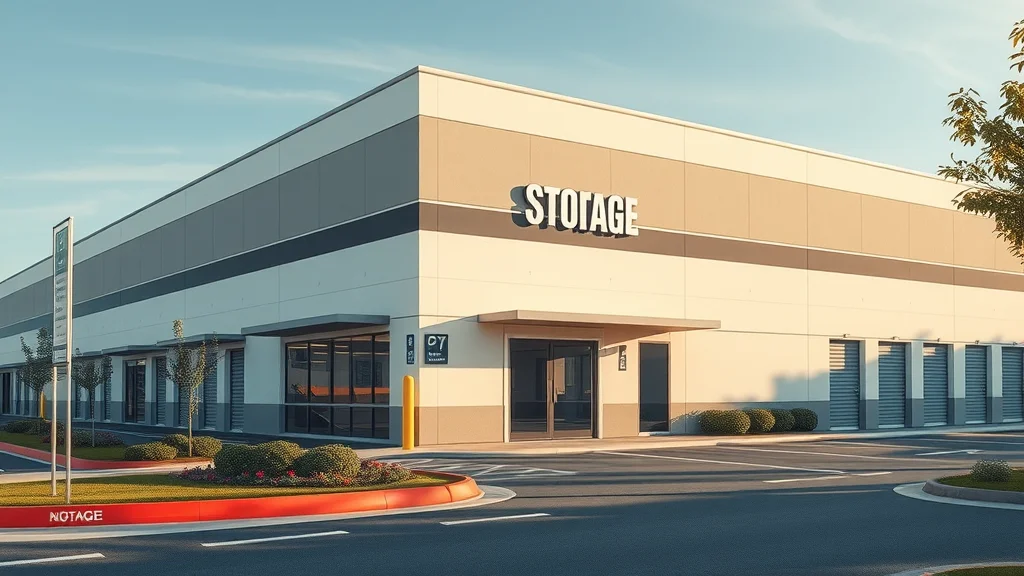
When selecting between a storage unit, storage building, or full warehouse space, it’s crucial to evaluate not only capacity, but also cost, access, and adaptability. Many modern commercial storage solutions offer modular units or steel builds that can expand or contract with your operations, supporting real-time business needs such as rapid growth or seasonal asset influx. Companies looking for a turnkey option can benefit from managed facilities that provide shelter, inventory tracking, 24/7 access, and flexible contracts.
Short-term leasing allows for immediate extra space during transitions—such as store remodels, office relocations, or promotional events—without long-term commitment. By choosing a customizable, scalable storage solution, you invest in infrastructure that grows with your business and adapts as requirements change, minimizing unnecessary spending and maximizing usability of every square foot.
Pros and Cons: Storage Unit vs. Warehouse Space
While storage units excel at affordability, ease of access, and simplicity for small and mid-sized loads, warehouse space grants unmatched room for high-volume inventory and specialized equipment. However, warehouses can demand higher upfront investment per square foot, ongoing management, and more complex insurance requirements. Evaluate your priorities on flexibility, capacity, and cost to determine the ideal fit—many businesses blend both solutions throughout the year to maintain optimal cost control and organization.
| Feature | Storage Unit | Warehouse Space |
|---|---|---|
| Cost per Square Foot | Low to Moderate | Moderate to High |
| Accessibility | 24/7, Self-Service | Business Hour or Custom Access |
| Capacity | Small to Medium Items | Large, Bulky Inventory |
| Customization | Basic (some shelving units) | Highly Customizable (racking, pallet rack systems, climate control) |
| Scalability | Easy to Add/Remove Units | Potential for Partitioning/Expansion |

Boosting Operation Efficiency: The Impact of Secure and Accessible Cost Effective Commercial Storage
Security Features for Business Storage
- 24/7 surveillance and monitoring
- Access control systems for restricted entry
- Insurance coverage for stored assets
Security is a top priority when it comes to storing valuable business assets, from sensitive data to expensive equipment. Modern cost effective commercial storage facilities employ advanced security features including 24/7 video surveillance, motion-sensor lighting, and sophisticated access control systems that allow only authorized personnel to enter specific areas. These measures are designed to deter theft, vandalism, and unauthorized access, giving business owners peace of mind.
Comprehensive insurance options help safeguard your assets inside the storage facility, while digitized logs and real-time monitoring ensure a robust audit trail. Investing in a secure storage solution is not just about asset protection—it can also be a business requirement for compliance with industry standards or client contractual obligations.
Accessibility: Managing Inventory and Workflow with Storage Solution Technology
- Online inventory tracking
- Automated shelving solution integration
- Flexible access for business relocation or rapid expansion
Seamless access to stored items is essential for agile business operation. Many commercial storage solutions now offer online inventory tracking that allows you to know exactly what is stored and where—down to each box or pallet rack. This level of detail is invaluable for managing seasonal stock, responding to sudden demand shifts, and planning business relocation activities.
Automated shelving systems and modular shelving units support efficient use of cubic footage, reducing time spent searching for or moving stored items. For businesses experiencing growth or moving locations, flexible storage access and the ability to scale up space quickly can help prevent workflow disruptions and ensure business continuity.

Financial Strategies: Maximizing Returns with Cost Effective Commercial Storage
Understanding Storage Solution Pricing Models
- Pay-as-you-go vs. fixed contract pricing
- Seasonal flexibility to scale storage space up or down
- Avoiding hidden fees in commercial storage solution contracts
The cost structure of commercial storage solutions is another critical factor for business savings. Many providers offer pay-as-you-go models, letting you rent business storage by the month without a long-term contractual commitment. Others provide fixed-rate contracts—which can lock in lower prices for extended periods, ideal for established companies with predictable storage space needs.
Key tips for saving money include choosing storage buildings with seasonal flexibility. This means scaling up (adding storage units or warehouse space) during busy periods and reducing your leased square footage during off-peak times. Transparency is crucial; always clarify whether your contract has hidden fees—such as insurance surcharges, late payment penalties, or mandatory long-term commitments—that could erode your intended savings.
Case Study: How a Growing Business Saved Money with Scalable Warehouse Space
Consider a regional online retailer whose explosive growth during holiday seasons led to chronic inventory overflow. Rather than investing in permanent warehouse space, the business opted for a scalable mix of storage units and warehouse storage buildings—expanding its footprint only during peak months. By integrating digital inventory tracking and negotiating per-square-foot rates without unnecessary frills, the company slashed fixed overhead. Flexible commercial storage helped them avoid overpaying for unused capacity and streamlined their ability to ship orders quickly, improving customer satisfaction while boosting their bottom line.

Video Overview: Insider Tour of a High-Security, Cost Effective Commercial Storage Facility
Take a virtual tour inside a state-of-the-art commercial storage facility! See firsthand the latest in security, organization, and technology-driven inventory management designed for businesses just like yours.
People Also Ask: Frequently Asked Questions about Cost Effective Commercial Storage
What is the cheapest method of storage?
Generally, the cheapest storage option for businesses is renting a basic storage unit in a secure storage facility. These units come in various sizes and let you pay only for the space you need. Selecting a facility without added amenities like climate control can further lower monthly costs. However, always ensure your stored items remain protected and accessible based on your business requirements.
Is it illegal to run a business out of a storage unit?
While you can use commercial storage for inventory, equipment, and documents, most self-storage agreements prohibit operating daily business activities—such as receiving customers or maintaining an office—directly from the unit. Regulations may vary by jurisdiction and storage provider, so always check contract terms and local laws before making your storage unit a business hub.
Is it cheaper to get a pod or a storage unit?
Storage pods offer portability but often come at a premium for delivery and pickup services. Standard storage units are usually more cost effective per square foot, particularly for long-term storage. The right choice depends on your need for mobility versus stationary, secured storage space.
What is the cheapest storage solution?
A traditional, no-frills storage unit is often the lowest-cost storage solution per square foot, especially for non-perishable items that don’t need climate control. Pricing can be influenced by location, contract duration, and size requirements—always compare several local providers for the best deal that won’t compromise security or accessibility.
Best Practices: Making the Most of Cost Effective Commercial Storage
- Conduct an inventory assessment to determine precise storage space needs
- Choose secure, scalable storage solutions over fixed units
- Incorporate shelving solutions to maximize cubic footage
- Regularly review your contract and explore new cost-effective options
Businesses that take a proactive approach to their commercial storage needs consistently save money and improve efficiency. Start by evaluating what assets need storing and match your requirement to the right type of storage unit or warehouse building. Investing in modular shelving units helps you capitalize on available vertical space, while regular contract reviews prevent unnecessary expenses and keep your operation flexible as your company grows.
Scalable storage solutions, especially those that offer technology for inventory tracking and secure access control, can pay dividends in streamlined distribution and fewer lost or damaged items. Remember, the most cost-effective options are the ones that align closely with your specific business workflow and long-term goals.

Video Demo: How Businesses Use Cost Effective Commercial Storage for Seasonal Inventory
Watch how real companies leverage commercial storage solutions for seasonal surges and event-driven inventory needs—saving money and avoiding cluttered office or retail space.
Expert Insights: Quotes from Industry Leaders on Storage Solution Trends
"With increased demand for flexible storage space, commercial storage solutions are evolving to offer digital access control, climate regulation, and customizable terms for growing businesses." – Storage Industry Analyst
Industry experts note that business storage is moving swiftly toward greater customization and technology adoption. Features such as climate regulation, automated inventory checks, and digital keys or access cards are becoming mainstream, helping businesses large and small save time, money, and stress.
FAQs: Quick Answers about Cost Effective Commercial Storage for Businesses
-
How secure is commercial storage for sensitive business equipment?
Most commercial storage facilities offer advanced security features such as 24/7 monitoring, access control, private alarm systems, and insurance options. Always verify provider certifications and on-site safeguards. -
What are the main differences between warehouse space and storage buildings?
Warehouse space typically offers much larger, customizable storage areas suitable for high-volume or bulky inventory, while storage buildings are modular, ideal for smaller-scale or specialized business storage requirements. -
Can storage units be customized for unique business needs?
Many providers allow customization via shelving solutions, climate control, and tailored access hours. Modular units and scalable contracts mean you can easily adapt to workflow changes. -
How can I minimize costs when scaling up commercial storage?
Assess your actual requirements regularly, use modular storage to avoid paying for unused space, and negotiate contract terms that reward flexibility and loyalty.
Key Takeaways: Unlocking Savings and Efficiency with Cost Effective Commercial Storage
- Cost effective commercial storage adapts to business growth and seasonal fluctuations.
- Secure storage solutions protect your valuable assets.
- Evaluating different storage types saves operational costs.
Stay Competitive with Cost Effective Commercial Storage Innovations
Embracing new trends in commercial storage—such as technology integration, modular space, and scalable contracts—puts your business ahead in efficiency, security, and cost control. Continually seeking out smarter storage options is key to growing without unnecessary overhead.
If you’re ready to take your business storage strategy to the next level, exploring the full range of unit sizes and flexible pricing can help you unlock even greater savings and operational agility. Gard Dog Storage offers a comprehensive overview of available spaces and transparent rates, making it easy to match your unique needs with the right solution. By staying informed about your options and leveraging scalable storage, you position your business for growth and resilience in any market climate. Discover how the right storage choice can transform your workflow and bottom line by visiting the Gard Dog Storage size and price guide today.
Contact Us for Your Cost Effective Commercial Storage Solution
Ready to optimize your business operations and save big? Call Us Now - 231-719-2483 Or Rent Online - Visit Our Website https://GardDogStorage.com
Sources
- https://selfstorage.org/Portals/3/Understanding-Self-Storage.pdf
- https://www.sparefoot.com/self-storage/blog/8570-storage-business-booming/
- https://www.inc.com/guides/2010/06/how-to-choose-a-self-storage-facility.html
- https://commercialobserver.com/2023/07/commercial-storage-trends-2023/
To further enhance your understanding of cost-effective commercial storage solutions, consider exploring the following resources:
-
“Commercial Storage Builders Cost Explained | Build Efficiently With APX”: This article provides a detailed breakdown of the costs associated with constructing commercial storage facilities, offering insights into design choices that can significantly reduce expenses. (apxconstructiongroup.com)
-
“Cost of Commercial Storage: Shelter Structures Guide”: This guide offers a comprehensive overview of commercial storage costs, including factors that influence pricing and strategies for optimizing storage expenses. (shelter-structures.com)
These resources offer valuable insights into the financial aspects of commercial storage, helping you make informed decisions to optimize your business operations.



Write A Comment