 Add Row
  Add
Add 


Did you know that over 40% of small businesses point to lack of space as their top operational challenge? Inefficient storage doesn’t just squeeze your office space—it can inflate real estate costs, slow down your workflows, and put business growth on pause. Business storage units offer a powerful, flexible solution for businesses of all sizes, letting you focus on operations, not clutter. In this article, we’ll cover everything you need to make an informed, business-ready decision.
What You'll Learn About Business Storage Units and Storage Solutions
- Understand business storage unit features and benefits
- Explore commercial storage options tailored to business size and type
- Learn about secure storage solutions for inventory and equipment
- Compare costs, scalability, and access for business storage units
- Review key operational considerations for business storage
The Surprising Growth of Business Storage Units: Key Statistics and Emerging Trends
"Over 40% of small businesses cite lack of space as their top operational challenge—making business storage units a critical solution in today’s competitive market."
According to storage industry research, the business storage unit sector has seen double-digit growth over the past five years. This demand is being driven largely by small and mid-sized companies seeking efficient, offsite alternatives to costly office space or additional warehouse leasing. The surge in e-commerce, alongside new trends in hybrid office setups, means that business owners are seeking flexible, scalable storage solutions more than ever.
What’s changing? Businesses are leveraging commercial storage not just for overflow inventory, but as integral parts of their workflow—like staging seasonal items, archiving crucial documents, and managing valued equipment during renovations or expansions. Storage experts estimate that the rise in shared, flexible working environments is only accelerating this shift, making business storage units a smart strategic move for organizations looking to control real estate costs, improve inventory management, and safeguard sensitive assets.
Defining Business Storage Units: Modern Storage Solutions for Professional Needs
A business storage unit is a dedicated commercial space—often located in a professional storage facility—designed to help companies optimize their physical resources. These tailored storage solutions go far beyond residential self storage, offering high-security, climate-controlled environments, and customizable lease terms for businesses that demand reliability and flexibility. Whether your business requires secure document archiving, inventory overflow, equipment storage, or even package acceptance services, the latest generation of commercial storage units are built to deliver.
Unlike traditional warehouse space or expanding costly real estate, business storage units provide manageable monthly expenses, on-demand scalability, and easy access for approved employees. This gives companies the power to scale their storage up or down, always matching the unit to their current operational needs without committing to long-term, rigid contracts. The flexibility supports business agility—an essential asset in today’s unpredictable marketplace.
When evaluating your options, it's helpful to compare available unit sizes and pricing structures to ensure you select the most efficient solution for your business. For a detailed breakdown of storage unit dimensions and current rates, you can review the storage unit sizes and prices offered by Gard Dog Storage to match your needs and budget.
Business Storage Units vs. Residential Storage: What's the Difference?
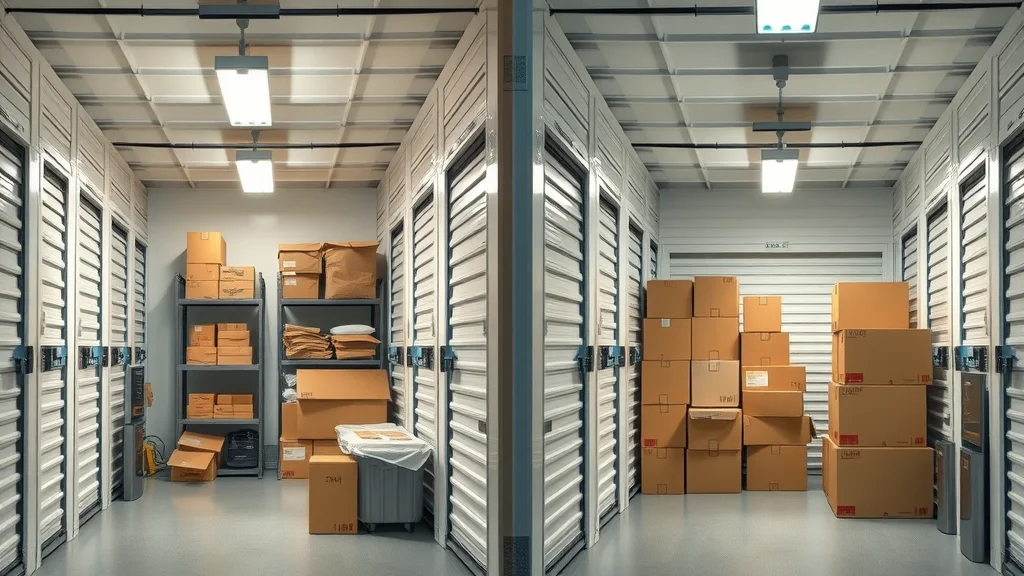
When comparing business storage units with typical residential storage options, major differences quickly become clear. Residential units are designed for storing personal belongings—think furniture, seasonal clothing, or keepsake boxes—whereas commercial storage units offer advanced security, tailored services, and higher-level amenities to protect your business’s investment. Features like electronic access control, enhanced surveillance, and climate management are standard in most commercial setups, but rarely found in residential facilities.
Further, business users often need reliable package acceptance, inventory tracking systems, or drive-up access for larger deliveries—capabilities designed into commercial storage. In contrast, residential storage is more about safe keeping and less about operational flow. For any business owner seeking a scalable, secure place to store valuable assets, documents, or excess inventory, a business-focused unit is the only real solution.
Benefits of Choosing Commercial Storage Units for Your Business
Choosing a commercial storage unit brings a host of advantages to the modern company. Security tops the list, with most facilities offering 24/7 camera monitoring, electronic gates, and individualized locks to keep your business assets safe. For those managing sensitive records or temperature-sensitive goods, climate-controlled units protect against humidity, excess heat, or freezing conditions—an essential safeguard in many industries.
But the value goes deeper. Business storage units typically offer easy access during extended business hours, loading docks for fast turnover, and even customer service tailored to business clients. Leasing terms offer the freedom to add or reduce space as needs change—ensuring your storage solution grows right alongside your business. That’s flexibility residential storage just can’t offer.
Which Businesses Benefit Most from Business Storage Units and Commercial Storage Solutions?
Businesses across a wide range of industries have discovered that external, scalable storage solutions both solve immediate space issues and enable smarter, more efficient workflows. Here’s where commercial storage really proves its worth:
- Retail businesses with fluctuating inventory
- Construction firms needing equipment storage
- Event planners storing seasonal decorations
- Small businesses requiring document archiving
- E-commerce operators seeking affordable warehousing

A retail business can use storage units to manage overflow merchandise during busy seasons, while a construction firm might need secure space for expensive tools and materials between projects. E-commerce companies save on warehouse space by renting just enough storage units to handle their current order volume. For small business professionals, secure document storage or dedicated inventory management space can be transformative, freeing core office space for more productive uses.
Matching Storage Space Needs to Your Business: Size, Flexibility, and Scalability
Determining the right-sized storage solution is key for businesses seeking efficiency and long-term value. Start by analyzing your current and projected needs: the volume of materials, how often you’ll require access, and whether your business sees seasonal increases in inventory. Modern business storage units offer flexibility—a vital asset for companies that don’t want to pay for space they don’t use.
Flexible storage space options mean you can easily scale your rented space up or down. Whether it’s a compact unit for office files or a large warehouse-style space for equipment and inventory, commercial storage facilities help you avoid the bloat of unneeded real estate and give your business the ability to adapt as it grows.
Determining the Right Size Storage Unit for Your Business
Not all businesses need the same storage footprint. Retailers may require significant space for seasonal goods; law firms, only a climate-controlled document archive. Begin by listing your inventory categories and estimating their cubic volume. Factor in the need for shelving, aisles, and room for future growth. Smaller units (5x10 to 10x15 ft) are ideal for office storage—like files, extra chairs, or promotional materials. Mid-sized units handle tools, spare fixtures, or moderate inventory, while large warehouse-sized spaces accommodate bulk stock, equipment, or even vehicle storage.
Always choose a facility with a variety of sizes, so you can adjust as needs change. Many commercial storage units offer on-site storage experts to help assess your needs and recommend the most efficient—and cost-effective—unit size. Don’t overpay for excess space; instead, opt for a provider that allows for upgrades or downsizing without hefty penalties.
Scalable Storage Solutions for Growing Small Businesses
As your company evolves, scalable business storage units are essential. Instead of sinking capital into fixed warehouse space or long-term leases, commercial storage lets you expand or contract your footprint as market conditions dictate. Need extra room for a seasonal inventory surge? Rent a slightly larger unit short-term, then scale back when demand decreases.
Flexible lease terms and transparent pricing take the pain out of growth. Because providers focus on businesses of all sizes, you’re never forced into a “one size fits all” arrangement. This level of adaptability makes modern storage solutions an operational asset—one that aligns expenses with actual business demand, not speculative forecasts.
| Business Type | Typical Storage Unit Size | Common Uses |
|---|---|---|
| Retail/Inventory | 10x10 - 20x20 ft | Extra inventory, fixtures |
| Offices | 5x10 - 10x15 ft | Files, equipment, furniture |
| Contractors | 10x20 - 10x30 ft | Tools, supplies |
| Event Planners | 5x15 - 10x20 ft | Decor, seasonal items |
Security, Access, and Location: What to Demand from Your Business Storage Unit
Choosing the right business storage unit means more than just finding extra space. Security, 24/7 access, and convenient locations are non-negotiables for businesses safeguarding valuable property. Professional facilities invest heavily in surveillance, digital access, and on-site personnel, layering protections to minimize risk. Always insist on transparent security protocols and a location with easy access to major transport routes or your primary offices.
For many organizations, especially those with high-value inventory or sensitive files, the choice of storage location directly impacts operational continuity. A nearby, secure commercial storage unit saves you transportation time, supports emergency response plans, and reassures stakeholders that your assets are protected.
Security Features in Modern Commercial Storage Units

Today’s commercial storage units offer advanced, business-grade security: digital video monitoring, electronic gate access, personal passcodes, and even on-site personnel or security patrols. Climate-controlled options also add protection for sensitive electronics, documents, and valuables. For high-security needs, some facilities offer alarmed units and restricted access zones.
When choosing a provider, look for transparency about their security measures, and inquire about insurance options tailored for commercial property. For businesses requiring access by multiple employees, opt for units with activity tracking—so you always know who’s accessed which property, and when. Effective security isn’t just about peace of mind—it’s a safeguard for your bottom line.
Convenient Access and Business Hours
Busy professionals demand convenient access and flexible operating hours. The best business storage units offer access early mornings, late evenings, and even 24/7 for approved users. Consider features such as loading docks, wide corridors for carts or pallets, freight elevators, and covered loading areas—these small touches save businesses time and reduce the risk of disruption.
Some modern facilities support package acceptance, allowing carriers to drop deliveries at your unit—even if staff isn’t present. This simplifies supply chain logistics and minimizes missed deliveries. Always confirm access protocols—your team should have easy access but only within secure, monitored periods. Review the facility’s customer service ratings to ensure help is available promptly if needed.
Selecting the Optimal Storage Location for Your Business
Your ideal storage location should strike a balance between proximity to your main operations and price. Closer is typically better for fast-moving businesses—saving on labor, transport, and turnaround times. That said, units farther from city centers often come at a lower cost, so consider your priority: access versus savings. If partial remote storage works for your workflow (for archival items or backup inventory), splitting storage between locations can maximize efficiency.
Evaluate options that don’t just match your physical needs, but also support business continuity planning. Disaster resilience, flood risk, and backup power supplies may be crucial for certain companies, especially if stored items are mission-critical. As always, read reviews and seek references from other business owners about their experience with the facility.
How Business Storage Units Support Business Relocation and Renovation
Business relocations and renovations are periods of maximum disruption. Strategic use of business storage units simplifies transitions, protecting both your assets and your workflow. A storage partner able to offer both short-term agreements and rapid access means your equipment, files, and inventory are always secure and available—minimizing costly downtime.
Beyond moving, companies often use storage units as temporary holding space during office upgrades or seasonal changes. It’s an insurance policy against delays—ensuring your operations keep running, even when the main location is in flux.
Business Storage Units as Temporary Solutions During Office Moves
When it’s time to relocate or remodel, the best-laid plans can unravel fast—especially if timelines shift unexpectedly. Business storage units can serve as flexible, offsite “buffer zones” for valuable furniture, electronics, and paperwork. With easy access and high-level security, you can move assets gradually, ensuring each phase stays organized.
For small business teams, this buffer can be a lifesaver—reducing stress, lowering lost-item risks, and letting you focus on serving clients, not chasing boxes. Many storage facilities offer logistics support, like accepting deliveries directly or coordinating with moving crews, to ease the process.
Short-Term Leasing and Flexible Arrangements for Businesses
Speed and flexibility are non-negotiables when moving offices or launching time-sensitive projects. Modern storage providers understand this need, offering contracts from as little as a month up to a year or more. For retailers prepping for holiday rushes or construction firms between jobs, these arrangements prevent long-term commitment to costly, unused warehouse space.
Additionally, facilities may provide scalable agreements—letting you incrementally add or subtract units based on changing requirements. This eliminates the fear of overhead; your storage expense directly tracks with your actual operational demand, supporting cost control and business agility.
Cost Factors: Comparing Business Storage Units and Commercial Storage Pricing
"A scalable storage solution allows businesses to align expenses with actual storage needs, avoiding unnecessary overhead."
Commercial storage unit pricing is structured to support businesses at any stage—providing both cost control and flexibility missing from long-term leases or outright warehouse purchase. Factors influencing costs include unit size, facility location, security features, and climate control options. In urban centers, prices per square foot may be higher, but so is convenience; in outlying areas, costs typically drop, but with longer travel times.
For businesses of all sizes, aligning your storage solution with actual needs means you’re never locked into wasted space or unexpected expenses. Providers usually offer tiered pricing and volume discounts; negotiating lease terms, especially for longer agreements or year-round usage, can yield significant savings.
Understanding Monthly Costs and Long-Term Value of Business Storage Units

The typical storage unit monthly cost varies widely—anywhere from $75 for a small, standard unit to $500 or more for large, climate-controlled spaces in premium locations. Initial discounts or promotional rates are common, but always evaluate the long-term total cost, including insurance, extended access hours, or administrative fees.
The bigger picture: by reducing the need for expensive office space or dedicated warehouse storage, business storage units deliver a long-term value that goes far beyond the monthly rate. They enable leaner operations, help companies flex with seasonal surges, and minimize the fixed costs traditionally associated with real estate expansion.
Contract Flexibility and Seasonal Pricing for Storage Units
Ask prospective storage partners about flexible contracts—can you switch unit sizes mid-lease? Are short-term, month-by-month agreements available? Does the provider offer seasonal pricing for high-demand months? The most business-focused facilities understand companies need agility, not red tape.
Seasonal businesses or those launching pilot projects especially benefit from these arrangements. If your company’s inventory or equipment storage needs fluctuate, scalable contract terms help you maintain full operational control—and keep overhead perfectly aligned with actual usage.
People Also Ask: Expert Answers on Business Storage Units
Can you use a storage unit to run a business?
While you cannot typically run day-to-day operations from a storage unit, business storage units are valuable for warehousing, inventory management, document archiving, and equipment storage—making them a strategic asset for many business types.
Can I use a storage unit for business?
Yes, many storage providers offer specialized business storage units designed for commercial use, with amenities such as enhanced security and climate control to protect valuable business assets.
Is it profitable to own a storage unit?
Owning business storage units can be profitable due to consistent demand from various industries—especially where flexible, scalable space is valued; however, success depends on location, management, and service levels.
How much does it cost to have a storage unit business?
The startup costs for a storage unit business vary widely depending on location, unit size, and amenities offered, but initial investments can range from $350,000 to $600,000 or more for a midsize facility, with ongoing operational expenses to consider.
Real-World Example: How One Local Business Streamlined Operations with Business Storage Units
Case Study: Small Business Uses Storage Unit for Seasonal Inventory Management

One local business, a family-owned retailer, faced an annual struggle—too much holiday stock in October and nowhere to put it. By renting a climate-controlled business storage unit, they staged inventory offsite, freeing crowded office space for staff and freeing up shop displays for their most popular products. Inventory transitions went smoother, staff could easily access stock as needed, and costly last-minute deliveries dropped.
Their takeaways? Storage is more than inventory overflow—it’s operational simplicity. By leveraging a dedicated unit, they embraced scalable costs, improved staff workflows, and set the stage for year-over-year growth without real estate headaches.
"Implementing scalable storage units allowed us to free up valuable office space and reduce logistics headaches during our busiest seasons." — Local Business Owner
Frequently Asked Questions: Business Storage Units and Commercial Storage
- What insurance is needed for business storage units? Most providers require proof of insurance covering the items stored; some offer in-house policies or partner with third-party insurers for easy enrollment.
- Are climate-controlled storage units worth it for businesses? For sensitive inventory, documents, or electronics, climate control prevents heat, cold, or humidity damage, protecting your investment and ensuring business continuity.
- Can I access my business storage unit after hours? Many commercial storage facilities offer after-hours or even 24/7 access, though this may require advance setup or incur an additional fee. Always confirm with your provider.
- How secure are commercial storage units compared to standard options? Commercial storage units are typically more secure, with video monitoring, electronic locks, and on-site staff standard at reputable facilities—critical for business users storing expensive or critical equipment.
Key Takeaways for Choosing the Right Business Storage Unit
- Assess your business needs—size, frequency of access, security
- Compare cost versus value between business storage units and commercial storage solutions
- Look for providers with scalable contracts and flexible leasing
- Prioritize secure, accessible locations aligned with your business hours
Future Trends: E-Commerce, Technology, and the Evolution of Business Storage Units
As e-commerce booms and the need for flexible supply chains grows, modern business storage units are integrating smart technology—think digital inventory management, automated alerts, and secure remote access. The industry is rapidly adapting to deliver not just space, but integrated business solutions. Expect to see even more automation, mobile-supported access, and partnerships that make self storage an always-on, fully managed extension of your office or storefront.
Short explainer video - How business storage units streamline operations with motion graphics and easy narration.
Ready to Solve Your Space Problems? Call Us Now - 231-719-2483 Or Rent Online - Visit Our Website https://GardDogStorage.com
Don’t let storage bottlenecks hold your business back. Contact us today or book your business storage unit online and unlock the secure, scalable space your company deserves!
Conclusion: Strategic business storage solutions deliver flexibility, security, and cost control. Evaluate your operational needs and choose a provider that aligns storage with your workflow for true business efficiency.
If you’re ready to take the next step in optimizing your business operations, exploring the full range of storage unit sizes and transparent pricing can help you make a confident, cost-effective decision. Gard Dog Storage offers a variety of options designed to fit businesses at every stage, ensuring you never pay for more space than you need. By understanding your unique requirements and leveraging flexible storage solutions, you can streamline your workflow and support future growth. Discover how the right storage partnership can transform your business—visit the Gard Dog Storage size and price guide to unlock new possibilities for your company.
Sources
- https://www.sparefoot.com/self-storage/blog/12380-business-self-storage-facts/
- https://www.selfstorage.org/About-SSA/Industry-Statistics
- https://www.insideselfstorage.com/business-operations/top-8-reasons-businesses-need-self-storage-and-how-sell-them
To further enhance your understanding of how business storage units can address space challenges, consider exploring the following resources:
-
“Commercial and Business Storage Units in Boston”: This article discusses how offsite storage solutions can save businesses time, money, and space by managing supplies, equipment, or documents efficiently. (ezstoragenow.com)
-
“Efficient Business Storage Units | Storage Point”: This resource highlights the importance of organization and adaptability in business operations, offering insights into how tailored storage solutions can enhance efficiency. (storagepoint.co)
If you’re serious about optimizing your business operations and overcoming space constraints, these resources will provide valuable insights and practical solutions.



Write A Comment