


Did you know? There are now more registered RVs and boats per capita in West Michigan than ever before—making outside storage a practical reality for families and businesses alike
What You'll Learn About RV and Vehicle Storage Demand in Muskegon and West Michigan
How changing lifestyles in Michigan fuel rv and vehicle storage demand
Factors influencing rv storage, boat storage, and vehicle storage choices
Key considerations before choosing a storage facility
Common misconceptions about storage market trends
Real-world scenarios from local families, students, and businesses
West Michigan’s communities—from Muskegon to Grand Haven and Norton Shores—are embracing the growing RV and vehicle storage demand, not just as a stopgap, but as a practical tool for organizing daily life. Residents balance the pull of recreational living with the constraints of limited yard space, fluctuating weather, and shifting real estate options. This guide unpacks the real drivers behind these changes, shares local examples, and underscores essential questions for anyone considering storage solutions in Michigan.

As you explore the evolving landscape of storage solutions, it's helpful to stay updated on the latest facility improvements and local trends. For a closer look at how storage providers in Muskegon are adapting to meet modern needs, you can find additional insights on our storage facility updates and best practices page.
RV and Vehicle Storage Demand: A West Michigan Perspective
“Last summer, we realized our camper was taking up the whole driveway — and with the kids’ bikes and lawn tools, space just got too tight. That’s when we learned how much RV and vehicle storage demand has grown around here, and why so many local families are considering outside storage options.” -
Seasonal Lifestyles Fueling RV and Vehicle Storage Demand
Lake equipment, RVs, and boats as household staples in Muskegon
Michigan’s fluctuating weather and the need for seasonal storage solutions
In Muskegon, it’s common to spot recreational vehicles in every other driveway. RV owners, boat enthusiasts, and lake-goers in West Michigan treasure the region’s summer months—yet once winter approaches, those same vehicles become prime candidates for dedicated storage facilities. For many households, this means weighing where to park their “toys” until next year’s adventures. Seasonal habits drive serious demand: when storing large items inside a garage means sacrificing room for everyday needs, the right storage unit is more than convenience—it’s about preserving your home’s function and protecting your investment from snow, salt, and stormy weather.
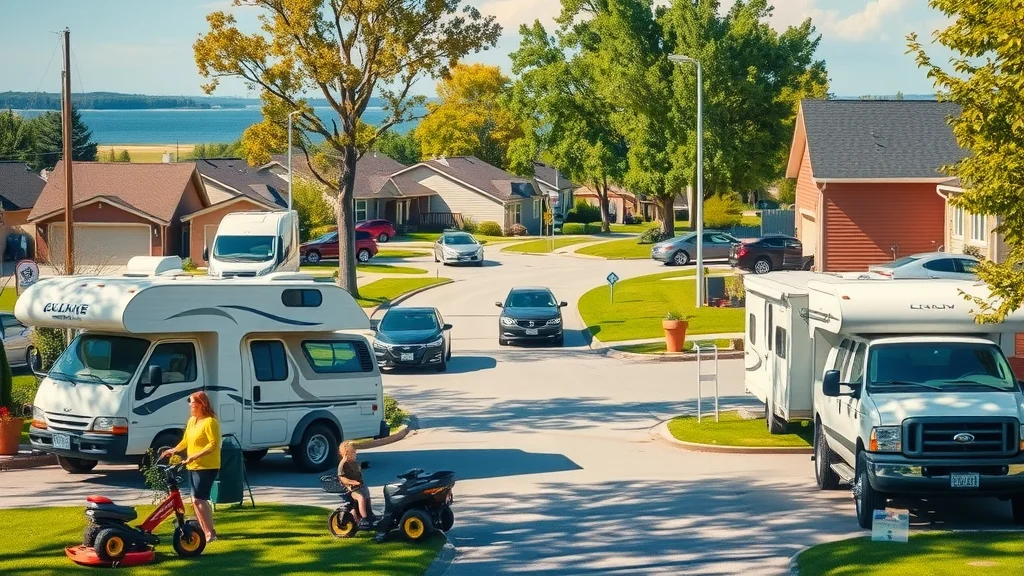
The region’s unpredictable freeze-thaw cycles mean RV and boat storage options need to provide robust climate protection. Meanwhile, many homeowners prefer amenities—like wash stations or covered parking—that keep their recreational vehicles safe and ready when adventure calls again. Decisions about storage in Muskegon happen not just in winter, but year-round as families look for solutions that suit lake life, seasonal sports, and shifting schedules.
Understanding the Storage Market: Why Storage Facilities Matter
How the Storage Market Has Evolved in Muskegon
Trends in storage unit and storage facility design
Local housing changes impacting rv and vehicle storage demand
Muskegon’s storage market has seen significant transformation over the last decade. Early “one-size-fits-all” storage units have given way to specialized facilities offering covered RV storage, climate control, and security features tailored to recreational vehicles and boats. As real estate patterns shift—smaller homes, apartments, or condos—demand for vehicle storage grows, especially among those who want to keep boats and RVs but lack driveway or yard space. About 11 million households nationwide now own an RV or boat, according to industry associations, mirroring the record high demand for secure, flexible storage locally.
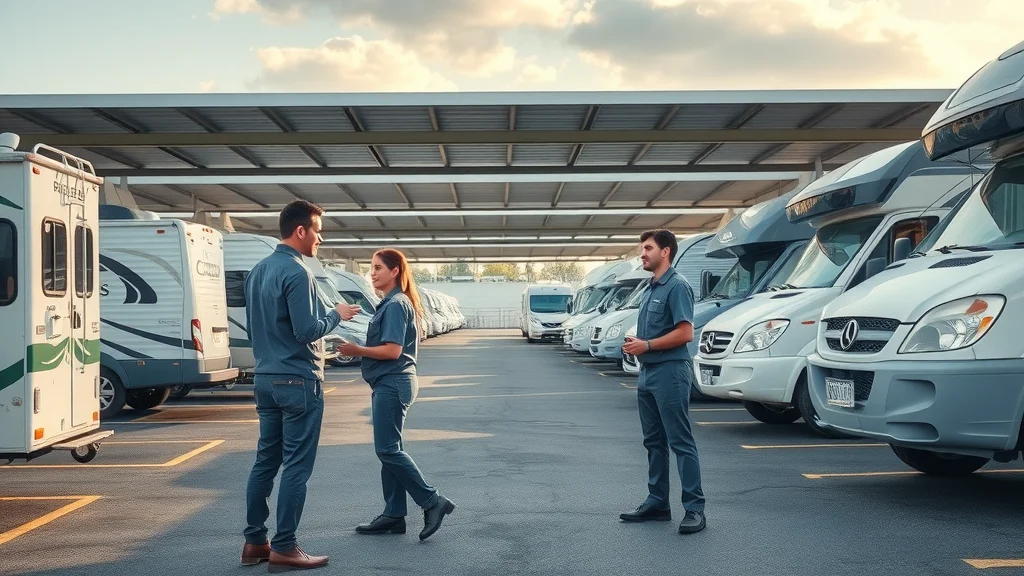
In Muskegon, the surge in storage development is not just about scale—it’s about meeting the evolving needs of families, students, and small business owners. Enhanced security measures, access control, and clear signage are now expected, and facilities often offer on-site staff for support. The local shift toward downsized living, moving between rentals, or managing property turnover—especially in lake communities—adds complexity and drives further need for reliable, conveniently located storage.
Real Estate Patterns and Their Impact on Storage Facility Needs
Growing demand for storage units during moves, downsizing, and housing turnover
Effects of student populations, military families, and retirees
From college students moving out for the summer to retirees downsizing their lifelong homes, life transitions ripple through the storage market. Each year, Muskegon’s schools see a wave of relocations; local storage facilities frequently serve as temporary havens for dorm-room furniture, kayaks, and seasonal gear. Similarly, military households facing unpredictable deployments or transfers rely on storage units to protect their vehicles and valued possessions without the burden of short-notice moves. For retirees, storing travel trailers, boats, or family heirlooms can help bridge lifestyle shifts without forcing rash decisions about what to keep or donate.
These population trends—combined with economic pressures in the housing market—mean Muskegon’s storage needs are as varied as the families who live here. Storage isn’t just a product of clutter; it’s a flexible, locally responsive solution for keeping life moving smoothly through milestones big and small.
Choosing Between RV Storage, Boat Storage, and Vehicle Storage
Assessing Boat and RV Storage Options in Muskegon
Indoor vs. outdoor rv storage and vehicle storage
Boat storage considerations for lake-area households
Selecting between indoor and outdoor RV storage comes down to more than just cost. Many Muskegon residents weigh the benefits of sheltering their RVs, boats, or vehicles from Michigan’s harshest elements against factors like accessibility and price. Indoor storage generally means higher monthly fees, but also offers better climate protection, less exposure to pests, and reduced risk of weather-related wear. For boat owners, proximity to local lakes and year-round accessibility are top priorities. Some choose uncovered storage when budget or short seasonal use is key—but need to consider long-term maintenance costs if their vehicle faces snow, sun, or heavy winds unprotected.
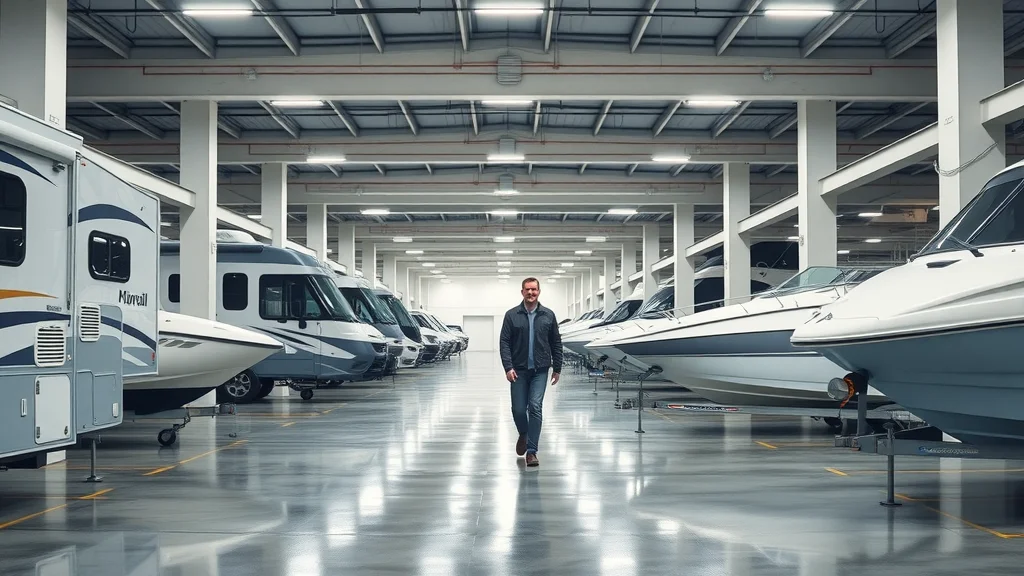
Regardless of the option, understanding storage facility features—like wide drive aisles for easy maneuvering or on-site wash stations—can make all the difference for RV and boat owners. Convenience, location, and customer service also play major roles. For Muskegon’s lake-area households, the added investment in quality storage often pays off in the form of longer vehicle life and less downtime when the weather warms up again.
Climate, Security Measures, and Access: Key Facility Features
Protecting belongings from Michigan weather extremes
Understanding modern security measures in rv and vehicle storage demand
Access hours and convenience for small businesses
Anyone considering RV, boat, or vehicle storage in Muskegon knows the weather is rarely forgiving. High humidity, sharp freezes, and summer storms all threaten stored belongings without proper protections. The best storage facilities offer not just physical barriers, but modern security measures—fencing, digital gate controls, monitored cameras, and staff presence—to keep vehicles safe from both the elements and unauthorized access. Security isn’t just about theft; it’s also about peace of mind for families, retirees, and small businesses who depend on reliable access for their investments or daily operations.
For local small businesses—delivery services, landscaping companies, or seasonal retailers—24/7 access and convenient locations can mean the difference between profit and frustration. Storage providers responding to the growing number of business customers are expanding hours, streamlining entry systems, and adding features designed specifically for commercial vehicles. These enhancements underscore the changing face of the storage market and how it serves Muskegon’s unique blend of households and enterprises.
Practical Stories: How RV and Vehicle Storage Demand Meets Local Needs
A college student storing possessions and a kayak for summer break
Retirees organizing family heirlooms, travel trailers, and boats
Military households planning for unpredictable moves
A small business managing seasonal inventory and delivery vehicles
Consider Anna, a college junior in Muskegon who faces the end-of-year rental rush every May. Instead of cramming her kayak, furniture, and personal items into her parents’ already full garage, she opts for a drive-up storage unit, allowing for easy pick-up when classes resume. Then there’s the retired couple storing a lifetime of possessions—including their prized fishing boat and family memorabilia—so they can travel without giving up what matters most. For military families, storage provides flexibility during uncertainty; it’s one less box to check when the next move comes. Small business owners, meanwhile, use storage facilities to hold seasonal inventory or protect extra work vehicles—preserving both capital and sanity during off-peak months.

These real-world scenarios highlight the core value of flexible, locally managed storage—meeting the needs of people whose lives don’t fit in neat boxes, but who want peace of mind, organization, and readiness for whatever comes next.
Factors Shaping Your Storage Decisions: What Muskegon Residents Should Know
Evaluating the True Cost of Overcrowded Living vs. RV and Vehicle Storage
Finance, stress, and organizational trade-offs
Overcrowded garages and driveways are a familiar sight across Muskegon, and the hidden costs add up quickly. Not only is there the stress of squeezing around boxes or tripping over kayaks, but homeowners may face expensive repairs, premature wear on vehicles left outside, or even fines for local code violations. Investing in dedicated RV and vehicle storage demand is often less about splurging than about reclaiming daily comfort and saving money long-term. For some, a simple locker or outdoor spot is enough; others discover that climate control or specialty boat storage actually reduces insurance costs or repair hassles over time.
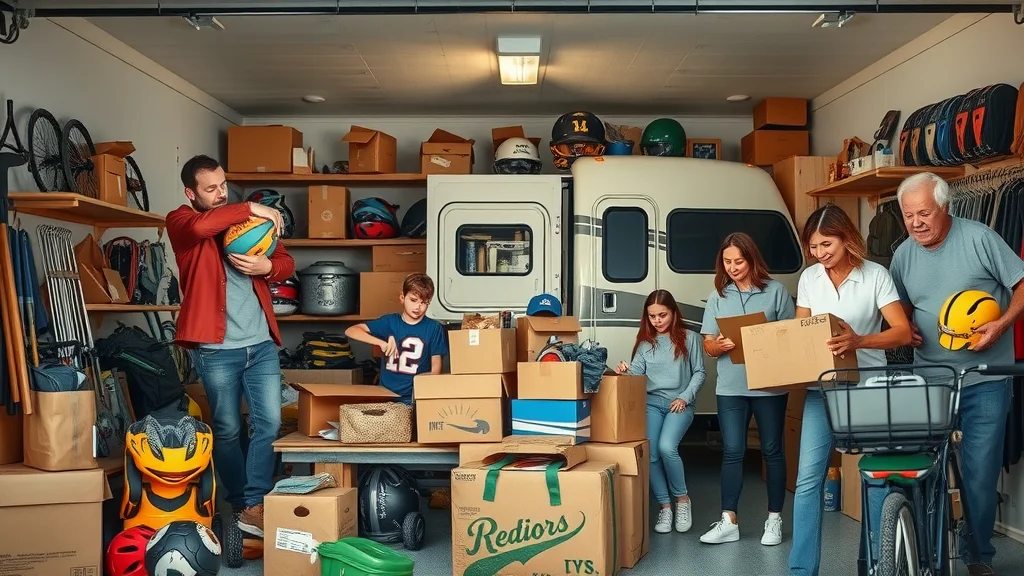
Every family’s situation is different, but the principle remains: giving up a little convenience in the short term may open up organization, safety, and mental clarity in the long run. Carefully considering true costs—from stress to dollars—can reveal how storage fits within your real-world priorities.
Emotional Attachments and Logical Choices
Balancing practical needs with sentimental belongings
Letting go of the items tied to family memories, childhood adventures, and big milestones isn’t easy. For many Michigan residents, storing an RV, boat, or extra vehicle is about preserving these attachments while making room for today’s needs. The choice is never strictly logical—emotions always play a role. A well-chosen storage facility offers a middle path: you don’t have to part with things just to stay organized, but you also avoid the clutter and overcrowding that make daily life harder. The decision to use storage can itself spark deeper conversations with family about what matters most and what you want to save for the next generation.
This balancing act—between the practical and the sentimental, the present and future—defines thoughtful storage use. It’s worth exploring options and involving loved ones before deciding what to keep close, what to store, and what to let go.
Planning for Life Transitions
Seasonal usage patterns for boats and RVs
Space needs during major life changes
Life in West Michigan is anything but static. Students head to college and return home with new possessions; families change homes as children grow up or downsize after retirement; new jobs or deployments send military households on the move. In every case, the need for flexible, secure storage becomes clear during transitions. Seasonal cycles, like boat launch weekends in spring and RV winterizing every fall, make storage planning an annual ritual for many. Thinking ahead with a trusted storage facility helps ensure you’re not caught off guard by sudden space crunches or maintenance headaches.
For Muskegon residents, the key to success lies in anticipating—rather than reacting to—big life changes. Evaluating your storage options now, before seasons or situations change, can save both time and stress down the line.
Common Misconceptions About Storage Facilities and RV and Vehicle Storage Demand
“Storage is only for hoarders”
“Outdoor storage damages vehicles”
“All storage units are created equal”
Balanced explanations of when storage works and when it may not
Self-storage sometimes gets a bad rap—images of “hoarders” or neglected, damaged vehicles stick in the public mind. The reality in Muskegon is far different. Most users are everyday families, students, or business owners who need a clean, reliable place to park RVs and boats, preserve cherished belongings, or simply tidy up their driveways. Outdoor storage, when chosen thoughtfully with proper coverings and security in place, is perfectly safe for most vehicles through Michigan’s off-seasons. Not all storage units are equal, though; features like climate control, covered parking, and professional management set modern facilities apart from the bare-bones options of the past.
The best storage choice is the one that fits your unique needs. Sometimes, that means skipping storage altogether—especially if downsizing, donating, or organizing at home makes more sense. Storage is a flexible tool, not a cure-all solution, and should be approached with balance, not pressure.
People Also Ask: RV and Vehicle Storage Demand FAQs
Is a RV storage business profitable?
Examine factors affecting profitability in Muskegon’s storage market
RV storage businesses can be profitable in communities like Muskegon where demand is sustained by seasonal tourism, rising RV sales, and high rates of recreational vehicle ownership. The key factors influencing profitability include location—proximity to lakes, highways, or dense urban areas—facility features (such as class A storage, security measures, and climate control), and the ability to serve diverse customer groups (owners, students, retirees, small businesses). Operational costs must be balanced against occupancy rates and the local competition for storage units. For providers able to respond to changing needs and deliver value, the outlook is strong.
Why is demand high for boat and RV storage?
Discuss lifestyle, weather, and space factors specific to West Michigan
The high demand for boat and RV storage in West Michigan stems from several local realities: limited yard or garage space, a passion for outdoor recreation, and Michigan’s challenging climate, which necessitates safe off-season storage. With lakes dotting the region, many households prioritize boats and RVs for summer fun but need secure, accessible homes for these vehicles during winter’s freeze and thaw cycles. As more people invest in recreational vehicles and lake equipment, the need for year-round storage solutions continues to climb.
Is the RV market declining?
Explore local trends and their impact on rv and vehicle storage demand
While national RV sales have ebbed and flowed with economic trends, local data suggests that the RV and vehicle storage demand in Muskegon is holding strong or even increasing. The region’s resilient tourism sector and growing number of full-time RV owners support steady occupancy at storage facilities. Even as the broader recreational vehicle market adapts to changing consumer preferences, the desire for secure storage among existing RV and boat owners remains robust.
How many RVs can you store on one acre?
Real-world examples from Muskegon storage facilities and planning considerations
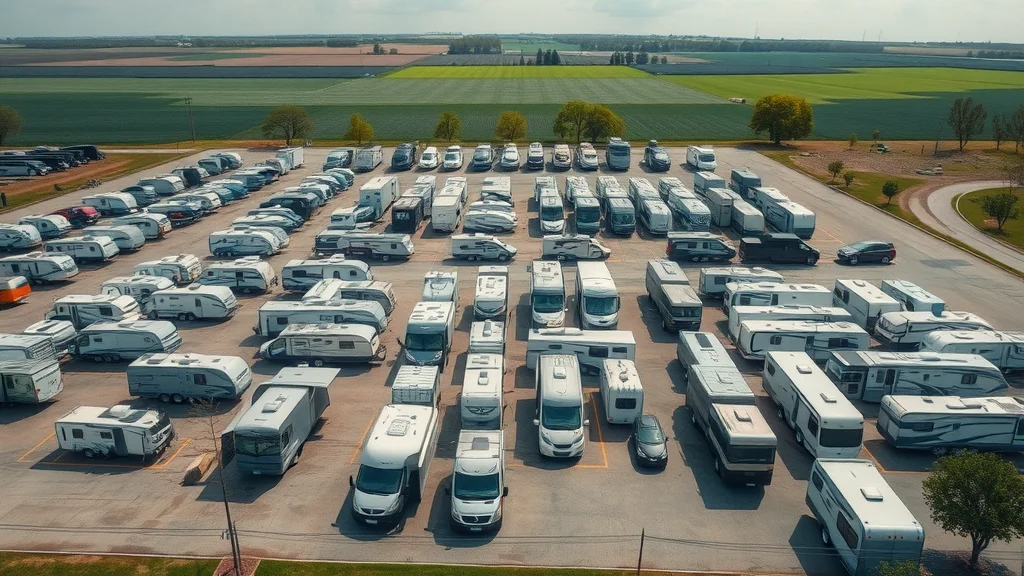
Storage density depends on vehicle size and lot configuration, but a well-designed one-acre storage facility in Muskegon can typically accommodate between 30 and 50 Class A RVs or up to 60 smaller vehicles, factoring in drive aisles and access for maneuvering. Providers optimize space by offering a mix of covered, uncovered, and indoor units, all tailored to the needs of RV and boat owners. Before renting, it’s helpful to visit local facilities and ask about layout, security, and available amenities.
Key Takeaways: Making Informed Choices About RV and Vehicle Storage Demand
Identifying when storage is a genuinely useful tool for your lifestyle
Questions to ask before renting a storage unit or facility
Long-term planning tips for Muskegon area residents
Deciding if, when, and how to use storage comes down to your life, your space, and your priorities. Consider your real long-term needs, ask about climate and security features, and don’t be afraid to view storage as just one part of making your West Michigan home comfortable and functional.
Conclusion: Reflecting on RV and Vehicle Storage Demand for Your West Michigan Needs
Summarize the balanced, practical reasons Muskegon residents may consider storage options
Encourage a thoughtful, non-pressured assessment based on personal needs and life transitions
Muskegon’s storage options reflect the reality that modern Michigan living demands flexibility, security, and real-world solutions. Thoughtful planning—grounded in your own needs and routines—remains the best route to a less cluttered, more manageable life and peace of mind in every season.
If you’re interested in taking your storage planning to the next level, consider exploring broader strategies that can help you future-proof your space and adapt to changing needs over time. Our resource hub at Gard Dog Storage’s blog offers expert perspectives on long-term organization, seasonal transitions, and innovative storage solutions for West Michigan residents. Dive deeper to discover how a proactive approach can simplify your lifestyle, protect your investments, and keep you ready for whatever life brings next.
Comparison of RV, Boat, and Vehicle Storage Options in West Michigan |
|||||
Type |
Protection Level |
Cost |
Ideal Users |
Access |
Common Features |
|---|---|---|---|---|---|
Outdoor RV/Boat Storage |
Moderate (weather exposure) |
Low to Moderate |
Budget-conscious, seasonal users |
Daily (varies by facility) |
Fenced lot, basic lighting, paved/unpaved |
Covered RV/Boat Storage |
High (partial weather protection) |
Moderate |
Year-round users, owners wanting extra care |
Daily/24-7 |
Roofed structure, security cameras, easy access |
Indoor/Climate-Controlled Storage |
Maximum (fully enclosed, weatherproof) |
Higher |
High-value RVs, business vehicles, collectors |
24-7/extended hours |
Climate control, monitored access, wash/dump stations |
Standard Vehicle Storage |
Varies |
Low to Moderate |
Cars, motorcycles, small trucks |
Daily |
Gated entry, camera surveillance, drive-up units |
“Every family is different, and so are their storage needs. The real goal is finding what fits your lifestyle best — and sometimes, that means rethinking what really needs to be stored, and what makes life easier for you.”
FAQs: RV and Vehicle Storage Demand Essentials
How to select a suitable storage facility for different vehicle types
Tips for preparing boats and RVs for Michigan storage conditions
Understanding leasing terms and insurance for stored vehicles
How to select a suitable storage facility for different vehicle types? Choose facilities based on the security measures offered, accessibility, climate protections, and whether they provide options such as covered, indoor, or outdoor storage that fit your vehicle and usage patterns
Tips for preparing boats and RVs for Michigan storage conditions? Remove all perishables and moisture traps, cover vehicles securely, disconnect batteries, and check tire pressure
Understanding leasing terms and insurance for stored vehicles? Read your rental agreement carefully to know about termination rules, required notice periods, and payment terms
Muskegon's Most Trusted & Secure Self Storage Facility Since 1999. Call 231-719-BITE (2483) or Visit The Website & Rent Online In 5 Minutes. https://GardDogStorage.com
Sources
The demand for RV and vehicle storage has surged in recent years, driven by increased ownership and limited residential space. According to the article “RV & Boat Storage Reaches Crisis Levels, Signaling Entrepreneurs To Pounce on Booming Opportunity,” nearly 25 million households in the U.S. own an RV or boat, yet there are fewer than 2,000 dedicated storage facilities available. (americanbusinesstimes.com) This significant gap underscores the pressing need for more storage solutions.
Additionally, the “RV/Boat Storage Market Poised for Further Growth, Yardi Matrix Reports” highlights that in 2021, RV registrations reached 571,000, and boat sales hit 313,000, marking record highs. (yardi.com) This trend reflects a growing consumer interest in outdoor recreational activities, further amplifying the demand for secure storage options.
For those considering storage solutions, understanding these market dynamics is crucial. If you’re serious about protecting your recreational investments and navigating the evolving storage landscape, these resources offer valuable insights into current trends and opportunities.




Write A Comment