


Have you ever wondered why some people glide effortlessly through a move or seasonal swap while others face chaos, stress, and clutter? Whether you’re downsizing after years in the same Muskegon home, helping your high school senior stash their belongings for college break, or prepping your lakeside gear for winter hibernation, expert packing tips and storage packing organization strategies could be the game-changer you’ve never tried

Why Storage Packing Organization Tips Matter for West Michigan Residents
Michigan residents know that home transitions—whether moving, downsizing, or just managing the flow of seasonal items—can invite a host of challenges. With housing costs rising and homes often built with limited closet and garage space, many in Muskegon and neighboring towns turn to storage facilities for relief. But storing isn’t just about dropping off boxes; real success comes from thoughtful storage packing organization tips that include choosing the right unit size, using plastic storage bins, and applying effective packing tape techniques to reflect our region’s distinct lifestyle.
From snowmobiles waiting out the off-season to sentimental keepsakes being protected for future generations, the range of what locals put in storage is as broad as the lakeshore itself. Without a plan, items can get damaged by humidity or cold, access becomes a nightmare, and boxes that should be helping you instead lead to more stress. Storage facility managers across West Michigan consistently say the difference between a frustrating experience and a smooth one comes down to organization—knowing which storage unit size makes sense, how to stack boxes using sturdy packing tape, and selecting plastic storage bins that can brave our climate. Applying these strategies doesn’t just save you time and money; it also offers peace of mind in a state where every inch—and every season—matters.
Facing Michigan’s Unique Storage Challenges
Living in Michigan means navigating dramatic weather swings and changes in family or business needs. In the heart of Muskegon, you’ll frequently find locals juggling ice fishing equipment, lawn furniture, snowblowers, or college dorm contents depending on the calendar. Each of these scenarios requires a storage solution that adapts to freezing winters and humid summers—conditions that swiftly challenge unsealed boxes or unprotected furniture. That’s why storage facility managers emphasize climate awareness, strong packing tape, and smart layout as cornerstones for long-term success. The right approach can prevent mold, mildew, and costly breakage, making thoughtful storage not just a good idea but a regional necessity.
Beyond weather, West Michigan’s community spirit means that many moves or transitions involve teamwork—neighbors helping neighbors, families pooling resources, students moving in groups. This spirit is reflected in the sheer variety of storage unit users and the multifaceted nature of their needs, from one-time life transitions to ongoing seasonal changes. No single storage solution fits all, but universal truths—such as using plastic bins for moisture resistance and creating walkways for easy access—serve everyone, regardless of their packing puzzle.
Common Scenarios: Moving, Downsizing, and Seasonal Swaps
In West Michigan, everyday life is marked by transitions: military families relocating on short notice, retirees downsizing to enjoy more freedom, businesses holding seasonal inventory, and parents tucking away winter gear to reclaim garage space. Each of these situations presents unique demands. Students at local colleges may need storage for a summer break, while entrepreneurs require manageable systems for product rotation. In all these cases, packing tips and storage packing organization strategies help create a seamless process.
For example, families often find themselves shifting holiday décor, sports equipment, or outdoor tools between seasons. Carefully labeling storage bins, stacking heavier items on the bottom, and protecting fragile items with bubble wrap or packing tape can mean the difference between a quick retrieval and hours of frustration. West Michigan’s wide temperature range also means making climate-resilient choices, such as opting for plastic storage bins over cardboard, is crucial. Throughout, the goal remains the same: an organized, accessible, and resilient storage unit that supports—not complicates—your transitions.
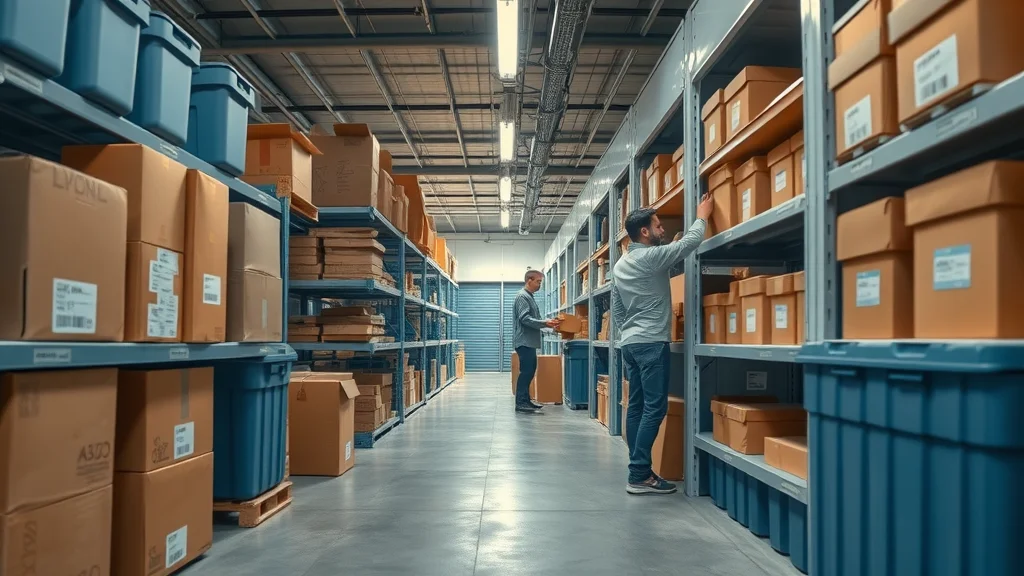
What You’ll Learn About Storage Packing Organization Tips
How region-specific weather and lifestyle factors affect your storage plan
Practical packing tips for a secure, organized storage unit
Guidelines on optimizing storage unit size and layout
Clever uses for shelving units, plastic storage bins, and packing tape
Lessons learned from West Michigan storage managers
Ways to streamline moving in and out of a storage unit
Understanding Storage Unit Choices: Finding the Right Fit
Before you start filling moving boxes or purchasing packing tape, the first step is choosing the right storage unit size and type for your specific needs. West Michigan’s range of storage options—from climate-controlled storage units to large outdoor spaces—can feel overwhelming, especially if it’s your first time. But a little planning upfront saves headaches later. Carefully consider how much you need to store, the unit size that best suits your collection, and which items truly need climate-controlled storage. Ask about available storage space options and how features like security and access hours might influence your choice.
Typical unit sizes range from compact lockers for a handful of boxes up to large garage-style spaces for whole household moves or business inventory. Always take inventory of your belongings and measure bulky items. Rolling tape measures over couches or bikes in your living room might feel odd, but it empowers you to make a confident decision. Check whether your items need special care—like temperature-sensitive electronics or antiques—and factor in future needs, so your unit doesn’t become overcrowded after the next season’s swap.
As you evaluate your storage options, keep in mind that facility features and security measures can also play a significant role in your decision. For more details on what to look for in a modern storage facility and how these amenities can impact your experience, visit our guide to choosing the right storage facility.
Determining the Ideal Unit Size for Your Needs
Selecting the ideal unit size is about more than fitting all your boxes inside—it’s also about ensuring you can access, rearrange, and retrieve specific items easily within your storage unit without having to empty half the contents each time. Storage managers recommend erring slightly on the side of extra space, which allows for aisles or walkways beside your stacked goods. This makes it possible to get to your winter boots, business files, or moving boxes of kitchenware without repacking the whole unit.
For tight budgets, it’s tempting to select the smallest size possible, but overcrowding leads to stress, crushed boxes, and hidden risk to your valuables. If you’re not certain, visit your local storage facility to visualize different sizes in person. Bring a list of your biggest items and ask staff for real-world advice—chances are, they’ve helped someone with a nearly identical situation. Whether you end up needing a small 5x5 for a semester away or a spacious 10x20 while transitioning between homes, choosing the right unit is the foundation of a successful and organized storage experience.
Evaluating Controlled Storage Options in Michigan’s Climate
West Michigan’s climate ranges from subzero winters to humid summers, making controlled storage units essential for protecting sensitive belongings such as musical instruments, artwork, electronics, or family heirlooms. Climate-controlled storage facilities regulate temperature and humidity, which helps prevent warping, mold, and mildew on your most delicate valuables.
Think about your own climate-control needs—can your upright piano, vintage record collection, or business electronics survive months of humidity or deep cold? If not, upgrading to a controlled storage unit is a practical form of insurance
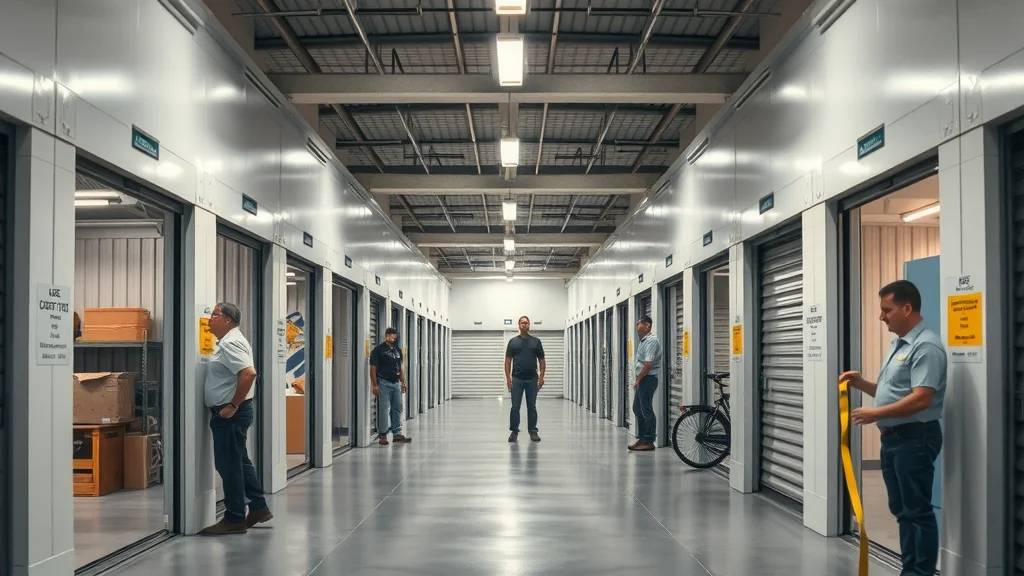
Plastic Storage vs. Cardboard: Protecting Against Moisture and Temperature Swings
Packing boxes is more than just filling them up—it’s about making decisions that prevent damage. In Michigan, where spring thaws and summer humidity are the norm, plastic storage bins outperform cardboard. While cardboard boxes are economical and stack well, they can attract moisture, collapse under heavy loads, and invite pests, all of which are big risks in fluctuating climates.
Veteran storage facility managers suggest using sturdy, clear plastic storage bins combined with quality packing tape for most belongings to ensure moisture resistance and easy identification. These bins are reusable, block out water, and make it easy to spot specific items during retrieval. For items like bedding, clothing, or papers, plastic bins paired with moisture absorbers and airtight lids deliver unmatched protection. While cardboard boxes remain useful for short-term or lightweight items, plastic containers should be your go-to for anything you care about long-term. This packing tip alone can save hundreds of dollars in replacement costs—and countless headaches.
Unit Size |
Best For |
Climate Control Needed? |
Common Contents |
|---|---|---|---|
5x5 (Small) |
Students, small households, seasonal gear |
Recommended for electronics, photos, clothing |
Boxes, bikes, winter clothing, small furniture |
5x10 (Medium) |
Apartment moves, office files, business inventory |
Yes for paper files, antiques |
Furniture, boxes, sports equipment, business products |
10x10 (Large) |
2-3 bedroom households, local businesses |
Optional—better for long-term storage |
Living room sets, appliances, multiple boxes |
10x20+ (Extra-Large) |
Whole house moves, commercial storage |
Yes for delicate or high-value contents |
Multiple rooms, equipment, inventory, vehicles |
Top Storage Packing Organization Tips According to Managers
Decades of experience in West Michigan storage facilities reveal a handful of strategies that work in any situation. Facility managers recommend starting with a plan, gathering the right packing items, and making small organizational choices that pay off every time you visit your unit. The following storage packing organization tips are rooted in local expertise and designed to save you time, money, and frustration.
Remember, the goal isn’t just to fill a space—it’s to keep your unit organized, your items protected, and your moving process as efficient as possible. Whether your stay is brief or your life is in transition, these packing tips empower you to keep clutter under control and always know exactly where your specific item is located.
Packing Tips for Short and Long-Term Storage
Using sturdy packing tape on all seams: Reinforce every cardboard box with heavy-duty packing tape to prevent accidental openings and moisture seepage—especially important during Michigan’s damp seasons.
Labeling boxes clearly and consistently: Use permanent markers and label maker tags to identify contents by room or use. Consistent labeling helps you find specific items quickly and reduces frustration during stressful moves.
Prioritizing heavy, durable items on the bottom of stacks: Always stack heavier items or boxes first. This prevents crushing lighter or fragile items while keeping stacks more secure during loading and unloading.
Leaving walkways for accessibility: Plan ahead by creating one or two narrow aisles in your storage unit. This simple trick means you won’t need to dig through boxes, saving both time and your back.
Additional packing tips include using smaller boxes for books or heavy items, wrapping fragile items in bubble wrap or packing paper, and storing valuables in clear, plastic containers for maximum protection and visibility. Think of it like building a puzzle—the more methodically you pack, the less risk of damage or lost goods when it’s time to move out or retrieve items.

Shelving Units and Storage Bins: Maximizing Every Inch
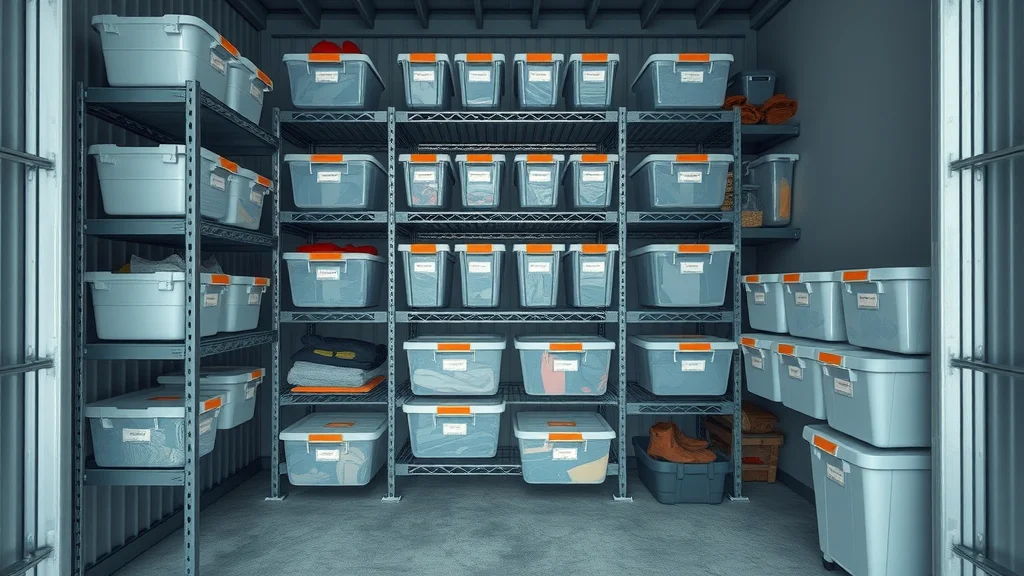
Choosing adjustable shelving units suitable for storage units: Metal or plastic shelving helps elevate boxes, prevent floor moisture, and creates vertical space. Adjustable shelving units can be tailored to fit any storage unit size.
Opting for clear plastic storage bins for easy item identification: Transparent containers make it simple to spot seasonal gear or specific belongings without unpacking everything.
Storing frequently used items up front for easy access: Pack holiday decorations or business files near the door where they can be reached quickly, while less-used belongings stay toward the back.
Creative use of shelving units transforms your storage unit from a jumble of stacked boxes to an accessible storage space. Even in small units, shelving can double usable area and keep your storage unit organized—making it easy to swap out items as seasons or family schedules change.
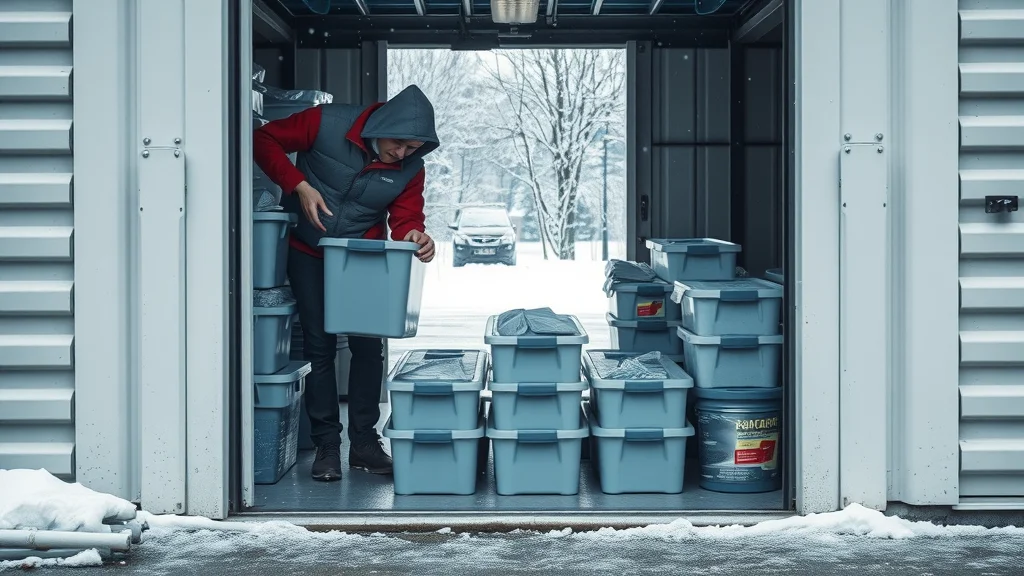
Climate Concerns: Best Practices for Michigan Winters and Summers
West Michigan’s climate requires proactive measures to keep valuables safe year-round. In the winter, freezing temperatures can make items brittle, while summer humidity and storm-driven leaks pose risks for electronics, clothing, photos, and even some furniture. The best storage packing organization tips for our region always start with climate resilience: choose climate-controlled storage units for sensitive items, use plastic storage bins to seal out moisture, and never store valuables directly on the floor—use pallets or shelving units instead.
Migrating with the seasons means you also need a simple rotation plan. For example, swap out summer patio cushions with holiday décor, but use airtight bins with moisture absorbers and label each box clearly. For business storage, rotate inventory more frequently during wet months to monitor for early signs of mildew. Local storage managers also advise sealing containers tightly, double-checking packing tape during rainy spells, and visiting your unit regularly—simple habits that prevent long-term headaches.
"Cold winters and humid summers mean plastic storage bins and airtight containers are a must for protecting your valuables," shares a veteran Muskegon storage manager.
Moving Truck Loading and Storage Unit Organization Tips
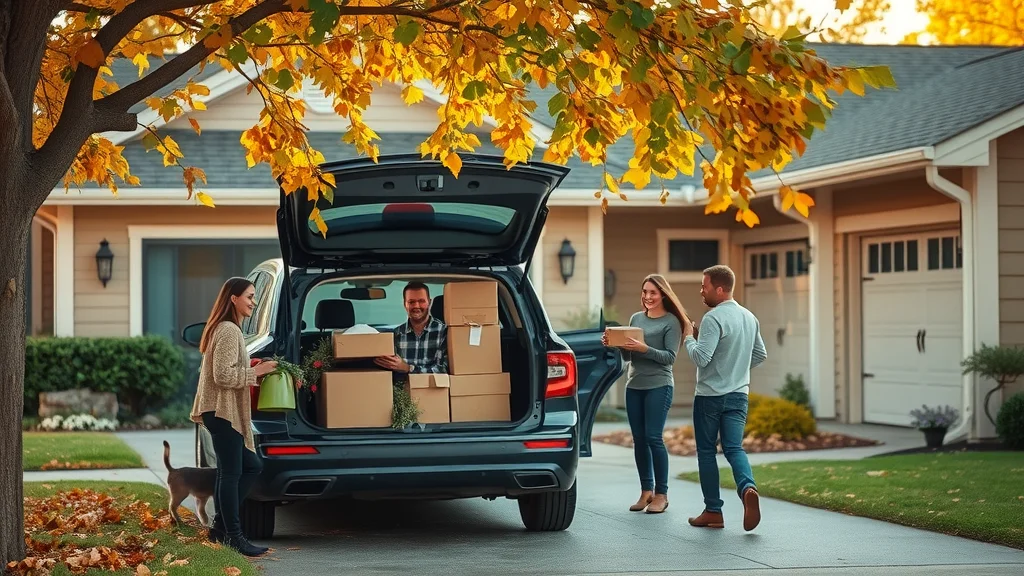
The path to an organized storage unit often begins and ends with how you load and unload your moving truck efficiently using proper packing tips and securing items with strong packing tape. Efficient packing saves not only on fuel or rental fees—it ensures that fragile, heavy, or odd-shaped items reach your storage space safely and are easy to find when you need them. Here’s how seasoned movers tackle the challenge, blending professional packing tips with local know-how.
Preparing and labeling each moving box before loading; using strong straps or ropes to anchor furniture; and keeping a mental (or written) map of where each packing item goes in the truck goes a long way on move-in day. These practices reduce the risk of breakage and keep the moving process orderly from driveway to storage facility.
Loading Your Moving Truck Efficiently
Loading starts with the heaviest and most durable items, such as dressers, appliances, and boxes of books. Place these at the front of the truck (closest to the cab) for maximum stability. Next, add lighter, bulkier items and fill nooks with smaller boxes or bags. Be sure to use high-quality packing tape on all seams and edges to avoid accidental spills during sharp turns or bumpy roads. Professional movers often build vertical “walls” of boxes, secured with ratchet straps, so nothing shifts in transit.
Bubble wrap and moving blankets offer extra protection for fragile items, while stacking by weight—heavier items at the bottom, lighter on top—prevents crushing. Clearly labeled moving boxes accelerate the unloading process and help you put each item exactly where it belongs within your storage unit. Preparing for possible rain or snow, have plastic sheeting on hand to shield boxes during the transition from truck to unit.
Strategic Unloading: Setting Up Your Storage Unit for Success
Once you reach the storage facility, unload with purpose. Remember, what goes in first often ends up at the back. Place less-used items or seasonal gear farthest from the door, and frequently accessed items upfront. If possible, build vertical storage using shelving units and keep walkways clear for safety and accessibility. This foresight reduces strain, makes future visits efficient, and supports a positive storage experience.
For added organization, use a storage unit map (even on a piece of cardboard) that indicates which row contains which items. Store heavier boxes on the ground level, lighter boxes above, and always pad fragile items with both bubble wrap and distance from high-traffic pathways. By following these packing tips, you protect your belongings and your back—making every trip to your unit predictable and stress-free.

Minimizing Stress: Emotional and Financial Benefits of Organized Storage
A well-organized storage unit does more than make space; it untangles the emotional threads that bind us to our things and often brings surprising financial relief. When everything is labeled, accessible, and protected, you know exactly what’s in storage—and what isn’t. This clarity makes it easier to let go of what you no longer need and treasure the items that matter most.
For busy families, retirees, or those on the move, organized storage saves time, money, and emotional energy. You’re less likely to buy duplicates of misplaced items, pay for a larger unit than necessary, or stress over lost keepsakes. And by optimizing your storage space, you minimize the hidden costs of overcrowded closets and cluttered living areas—an ongoing source of tension for many West Michigan households.
Emotional Attachments and Letting Go
Everyone has items with sentimental value—grandma’s quilt, childhood trophies, or heirloom books. Packing these away doesn’t mean saying goodbye; rather, it’s about preserving them safely for the right moment. Organized storage lets you display only what fits your current space while knowing that cherished belongings are secure and well-documented. This approach helps families, students, and new retirees handle the emotional side of transitions with care and intention, not anxiety.
Storage managers recommend reviewing your inventory periodically to avoid accumulating unnecessary clutter. If a box hasn’t been opened in a year or two, consider if it’s time to donate, sell, or thoughtfully discard its contents. This regular exercise keeps your storage unit organized and reinforces the value of everything you choose to keep.
Hidden Costs of Overcrowding Versus Organized Storage Solutions
When units are overpacked, fragile belongings are more likely to break, and you’ll spend extra time (and sometimes more money) searching for replacements. Overflowing storage also means you could be upgrading to a larger, more expensive unit purely due to poor organization. By maximizing every inch through shelving units, vertical stacking, and strategic placement, you make sure you only pay for the space you truly need.
In contrast, a well-organized storage space creates an easily maintained inventory, clearer insurance policy documentation, and peace of mind—all with less financial waste. This is especially valuable for small businesses and military households, where space efficiency has direct financial implications. For everyone, organized storage is a practical investment in peace of mind and solid budgeting.

Common Mistakes in Storage Packing Organization Tips and How to Avoid Them
Even with the best intentions, common missteps can ruin a storage experience.
Neglecting to consider access needs—which leads to digging through piles and unintended damage
Overpacking and box stacking errors—often resulting in crushed, inaccessible, or dangerous stacks
Forgetting about climate control needs—especially risky for electronics, paper, or textiles in an unregulated storage unit
Not protecting sensitive or fragile items—resulting in breakage, loss, or costly replacements
Before placing an item in storage, pause to ask: Will I need this soon? Does it need special protection? Is my insurance policy up to date in case of unexpected events? Consistent, small steps during packing add up—ensuring your storage unit stays organized, safe, and cost-effective no matter what life throws your way
People Also Ask: Storage Packing Organization Tips
What is the best way to organize belongings in a storage unit?
Answer: The best way is to use shelving, label all boxes, and leave aisles for accessibility. Use plastic storage bins for moisture-sensitive items, and heavier items should always form the base of your stacks.
How should I decide what to put in storage versus keep at home?
Answer: Keep items you use frequently at home, and place seasonal, sentimental, or infrequently used items in storage. Review your inventory before moving in, and reassess every few months for efficiency.
Can you use plastic storage bins instead of cardboard in a storage unit?
Answer: Yes! Plastic storage bins provide better protection against Michigan humidity and temperature shifts than cardboard. They are reusable, stack easily, and deter pests.
Watch: Tour of a Well-Organized Storage Unit Featuring Packing Techniques
FAQ: Storage Packing Organization Tips for West Michigan
How can shelving units save space in my storage unit?
Shelving units create vertical storage opportunities, separating boxes and bins from direct contact with the floor. This not only prevents water damage but also maximizes every cubic foot. Items that you need to access more frequently can be placed at eye or hand level.
Is climate-controlled storage necessary for electronics or antiques in Michigan?
Yes. Both electronics and antiques are vulnerable to extremes of temperature and humidity. Controlled storage units offer more stable conditions, which is especially important during West Michigan’s hottest summers and coldest winters.
What moving supplies are recommended for packing tips in Michigan weather?
Choose sturdy cardboard boxes or, preferably, clear plastic storage bins for longer-term use. Use moisture absorbers in containers, heavy-duty packing tape, bubble wrap, and labels. Consider waterproof tarps or blankets for added protection during transport, and pack a variety of box sizes for flexibility.
How do I choose the right size storage unit for my family or business?
Take a thorough inventory and measure your largest items. Check sizing guides at your storage facility, and don’t hesitate to go one size up if you anticipate future needs. Keeping a little extra space makes accessing your stored items far easier and is a good idea for growing families or businesses.
Watch: Expert Q&A: Muskegon Storage Manager Explains Packing and Organization Best Practices
Key Takeaways: Storage Packing Organization Tips for Everyday Life
Climate and lifestyle shape the best approach to storage packing organization tips in Michigan.
Smart packing, labeling, and shelving units keep storage units accessible and efficient.
Plastic storage bins offer superior protection for valuables.
Frequent review and adjustment of stored items is key—especially after a move, season change, or life transition.
Reflecting on Storage Packing Organization Tips: Making Confident Decisions
Moving Forward with Greater Awareness and Less Stress
"A well-organized storage unit isn't just about boxes and bins. It's peace of mind, flexibility, and comfort in your life's transitions."
With the right preparation, regional awareness, and the practical storage packing organization tips shared here, West Michigan residents can confidently tackle any storage challenge—turning stressful transitions into smoother, more manageable experiences.
If you’re ready to take your storage strategy to the next level, there’s even more to explore about optimizing your space and protecting your belongings. Our blog is continually updated with expert advice, local insights, and advanced organization techniques tailored for West Michigan’s unique needs. Discover additional resources and stay ahead of the curve by visiting the Gard Dog Storage blog—your go-to source for smarter, stress-free storage solutions.
Muskegon's Most Trusted & Secure Self Storage Facility Since 1999. Call 231-719-BITE (2483) or Visit The Website & Rent Online In 5 Minutes. https://GardDogStorage.com
Sources
https://www.consumerreports.org/moving/storage-unit-tips-a1120042775/
https://www.realsimple.com/home-organizing/organizing/moving/moving-storage-tips
To enhance your understanding of effective storage packing and organization, consider exploring the following resources:
“10 Tips for Packing a Storage Unit”: This article offers practical advice on selecting the right storage unit size, utilizing climate-controlled options, and organizing your belongings efficiently. (alliancemoving.com)
“13 Packing Tips for Moving or Storing Your Belongings”: This guide provides innovative strategies, such as using clothing as cushioning and nesting smaller items into larger ones, to maximize space and protect your items during storage. (smartstopselfstorage.com)
By incorporating these expert tips, you can ensure your storage experience is both organized and stress-free.


Write A Comment