 Add Row
  Add
Add 


The process of moving is often painted with stress and exhaustion, yet for many, it also marks the beginning of an exciting new chapter. If you’re feeling overwhelmed by boxes and logistics, you’re far from alone. I’ve stood where you are—hoping to protect precious memories, keep your family happy, and avoid last-minute chaos. What if I told you there are proven moving tips and tricks that could turn your big move from a daunting chore into a surprisingly smooth, even enjoyable, fresh start? Let’s get started on reducing stress, preserving your favorite decor items, and making this transition your easiest yet.
A Fresh Start: Why Moving Tips and Tricks Matter
Every move promises a new beginning, but achieving that stress-free transition depends heavily on the approach you take. Leveraging effective moving tips and tricks not only helps manage the physical demands of packing and moving boxes but also eases emotional strain by putting you in control. The difference between a chaotic move and a seamless one often lies in smart planning and simple adjustments—from how you source moving boxes to how you coordinate moving day itself. Focusing on organization from the start can save you a lot of time, protect your fragile items, and even leave extra energy to enjoy your new space.
Using these expertly curated packing and moving strategies, you’ll gain not just relief from typical moving day worries but also the confidence that you’re making every step count. By knowing which packing supplies to prioritize, how to declutter efficiently before a move, and when to seek professional moving services, you ensure peace of mind and a lighter workload. No matter if this is your first move or your fifth, these moving tips and tricks are designed to cut stress in half, so you can focus on the excitement of your fresh start.

What You'll Learn From These Moving Tips and Tricks
How to plan your move with minimal stress using proven moving tips and tricks
Packing and moving strategies from industry pros
Essential packing supplies and when to use them
Expert recommendations on moving day organization
Answers to the most common moving questions
The Ultimate Moving Tips Guide: Key Strategies for Packing and Moving
Moving Tips and Tricks: Starting Your Planning Early
The secret to a smooth move is starting as early as possible. From creating a master moving checklist to booking your moving service or moving truck ahead of time, early planning reduces last-minute chaos. Begin your process by breaking the move into phases: decluttering, sourcing moving boxes, packing decor items, and scheduling logistics such as storage units or movers. Using a timeline helps keep track, and by securing packing supplies weeks before moving day, you can avoid shortages or last-minute rushes.
One of the most valuable moving tips is to tackle tasks incrementally. Start packing non-essential items first, like seasonal clothing or rarely used appliances. Each evening, pack a few boxes; over time, this steady progress builds momentum, prevents burnout, and makes your big move more manageable. Proactive communication with your chosen moving company ensures everyone remains on the same page, solidifying your plan and providing reassurance as you approach the moving day.
As you plan your move, it's also wise to consider your storage needs in advance. If you require extra space for your belongings during the transition, exploring storage unit sizes and pricing options can help you choose the right fit and avoid last-minute surprises.

Packing and Moving Organization: Decluttering Before You Pack
Moving is the perfect opportunity to lighten your load. Before you even touch a moving box, sort through every room, closet, and drawer to identify items you truly need or love. Use this time to create piles for donating, selling, or discarding. Not only does decluttering make packing easier, but it also reduces the number of moving boxes you’ll need—and as a bonus, lower costs if you’re hiring a moving service or renting a moving truck by volume.
Decluttering can be an emotional activity, especially when it comes to family heirlooms or sentimental decor items. Our advice: be honest and practical but gentle with yourself. Downsizing now means fewer heavy boxes to haul and more space in your new home for things that really matter. You’ll thank yourself on moving day, and even more so during unpacking.
"Pack what you need, donate what you don’t, and your move will already be lighter." — Anonymous Moving Expert
Essential Packing and Moving Supplies Checklist
Moving boxes: sizes, types, and quantities
Packing tape and dispensers
Bubble wrap and protective materials
Garbage bags and alternative containers
Labels and marking pens
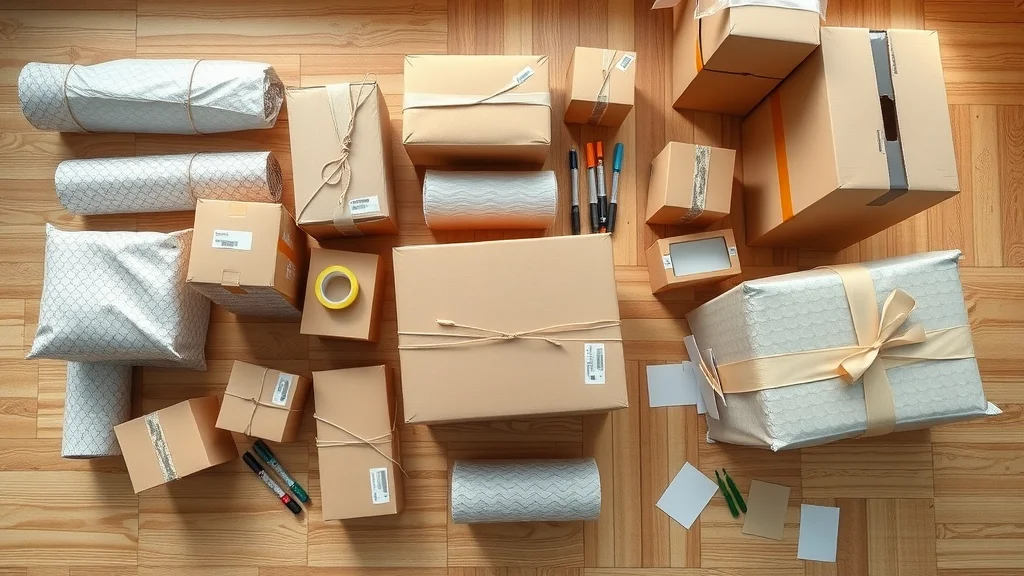
Comparison of Packing Supplies by Cost, Durability, and Usefulness |
|||
Packing Supply |
Cost |
Durability |
Best Use |
|---|---|---|---|
Standard Cardboard Box |
$-$$ |
Medium |
General packing, light decor items |
Heavy-duty Moving Box |
$$ |
High |
Fragile or heavy items, books, electronics |
Packing Tape (Quality Dispenser) |
$ |
High |
Sealing boxes, general use |
Bubble Wrap |
$$ |
High |
Fragile items, electronics, glassware |
Garbage Bags |
$ |
Low/Medium |
Clothes, bedding, soft goods |
Labels & Markers |
$ |
High |
Organizing and quick unpacking |
Smart Packing Tips and Tricks for Every Room
Packing and Moving: Room-by-Room Moving Tips
For the most efficient relocation, use a different packing tip for each room in your house. In the kitchen, stack plates vertically, wrap them with bubble wrap, and always label boxes containing fragile items. In the bedroom, pack out-of-season clothes first, and use large garbage bags to move bedding or hanging clothes with ease. When dealing with garages and basements, pack heavy items like tools in smaller boxes to avoid injury and keep your moving day safe and organized.
Packing tip for the kitchen: Label and wrap fragile items
Moving tip for the bedroom: Optimize clothing packing
Tips and tricks for garages & basements: Heavy items and tools
These packing and moving strategies reduce risk of breakage, save space, and make unpacking at your new home much easier. Remember, the right use of moving boxes—a mixture of sizes for different rooms—prevents overload and confusion. An organized, room-by-room approach is one of the most valuable moving tips and tricks you can use.

Fragile Items: How to Safeguard Your Valuables
Fragile items such as glassware, art, and electronics need extra care. Always use plenty of bubble wrap or foam to cushion breakables, and tape boxes securely with quality packing tape. For china or collectibles, double-box with a layer of packing supplies between boxes for added protection. Mark all fragile boxes clearly, and keep them together on moving day; this moving tip ensures they’re handled with the caution they deserve.
Avoid stacking heavy items on top of fragile ones and use smaller boxes for breakable pieces. For electronics, whenever possible, pack them in their original box. If that's not possible, wrap items individually, fill gaps with crumpled paper towels or clothing, and mark the boxes as "delicate." These packing and moving guidelines are your best defense against unwanted surprises when you unpack.
How to Source the Best Moving Boxes and Packing Supplies
Moving Boxes: Asking at Grocery Stores vs. Buying New
Deciding whether to buy new moving boxes or pick up used ones from a local grocery store can impact your packing success and your budget. Many grocery stores offer sturdy boxes for free, but always inspect for cleanliness and stability. New boxes are ideal for heavy or fragile items, as they haven't been weakened by prior use and offer uniform sizes for easier stacking in your moving truck or storage unit.
For larger moves or when transporting valuable decor items, investing in a mix of new and repurposed cardboard boxes often strikes the right balance. This approach lets you allocate the sturdier new boxes for heavy boxes or breakables, while lightweight used ones are perfect for lighter, less vulnerable items. Whatever you choose, ensure all boxes are properly taped and labeled to maximize both safety and efficiency during packing and moving.

Packing Tape, Bubble Wrap, and Packing Supplies: What to Buy and What to Skip
Not all packing supplies are created equal. Prioritize high-quality packing tape—thin or generic tape can peel off or break under stress. Likewise, invest in adequate bubble wrap and packing paper for fragile items. Skimp instead on specialty boxes unless you have unusually shaped items. Use what you have at home—suitcases, laundry baskets, and even towels make for excellent cushioning and containers.
Garbage bags are handy for packing soft goods, but avoid overusing them for heavy items or anything that could break, as bags provide minimal protection.
The most essential supplies—moving boxes, bubble wrap, packing tape, and sturdy markers—go a long way. Make a complete list before purchasing to avoid last-minute trips. If you plan and buy your packing supplies ahead of time, your packing and moving process will stay on schedule, and your moving day will be far less stressful.
Moving Day Tips and Tricks for a Smooth Transition
Morning-Of Moving Tips: Staying on Schedule
The key to a smooth moving day is a solid morning routine. Wake up early, eat a good breakfast, and double-check your master moving checklist. Ensure all boxes are labeled and grouped by room. Keep an essentials bag with items you’ll need that day: chargers, snacks, toiletries, and important documents, so you’re never stuck searching at the last minute.
Communicate clearly with your hired mover or helpers to confirm arrival times and directions. Having everything ready helps the process begin on time and supports a calm, efficient atmosphere. Reviewing your plan and making small adjustments as needed on moving day are valuable moving tips for staying ahead of stress and keeping your move on track.
Heavy Items and Moving Trucks: Safe Lifting and Loading
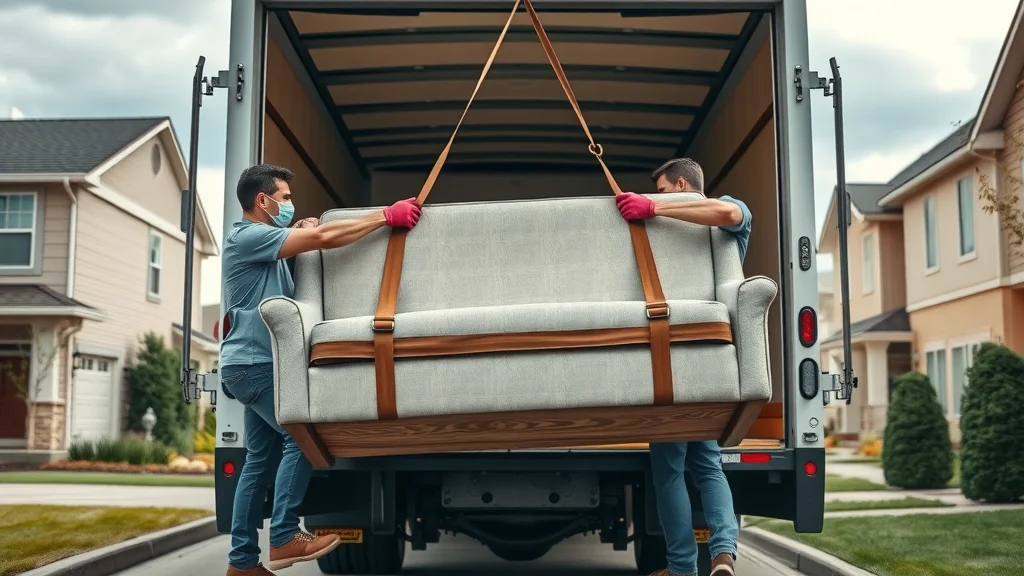
Heavy items should always be packed into smaller boxes to prevent injury. When lifting, bend your knees and keep your back straight—relying on your legs rather than your back. Use lifting straps for especially heavy boxes and coordinate with your moving team to balance loads when moving large furniture or appliances. Before you start loading the moving truck, plan where large, sturdy items will go and secure everything so nothing shifts in transit.
Take advantage of ramps and dollies, especially for bulky pieces or a heavy box. Place heavier boxes on the bottom and lighter boxes or fragile items on top. Proper loading not only protects your belongings but also keeps everyone safe on moving day. If you’re unsure, ask your moving service for guidance—they move heavy items and moving trucks daily, so their tips and tricks are invaluable.
Last-Minute Packing and Moving Tips
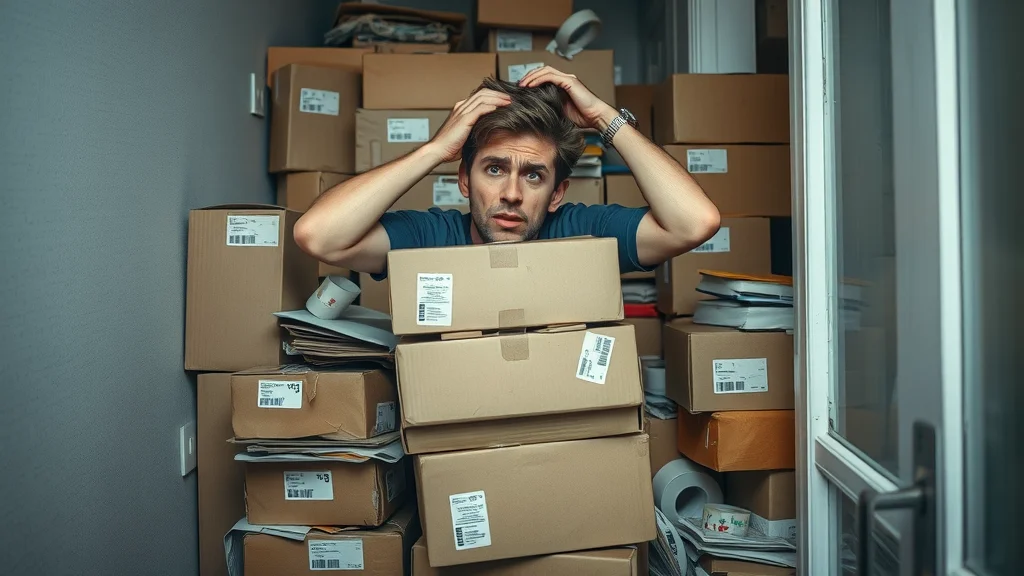
Even with the best plans, last-minute details can pop up. Keep a roll of packing tape and a few empty moving boxes handy until your moving truck is loaded; this allows you to quickly pack any late-discovered decor items or bathroom essentials. Do a final sweep through every room, closet, and drawer, picking up forgotten items and confirming all windows and doors are locked.
Label any last-minute boxes clearly and place them near the door for easy access. Remember, the best moving tips include giving yourself a bit of grace—unexpected things happen, but with preparation and resourcefulness, you’ll be ready for anything on moving day.
Professional Moving Services: When and How to Hire
Moving Service vs. DIY: Which Moving Tips and Tricks Save More Stress?
For many, deciding between a professional moving service and a DIY move comes down to cost, convenience, and energy. A reliable moving company handles the heavy lifting, logistics, and often includes insurance to protect your valuables. This can offer peace of mind and drastically reduce the stress of moving day. If you’re on a budget or have fewer items, renting a moving truck and enlisting friends can save money but requires more effort, time, and planning.
Weigh the pros and cons for your unique situation. Consider your timeline, physical abilities, and budget. For large moves or if you value extra care for antiques or heavy boxes, a service moving company may be worth every penny in reduced stress. If you decide to DIY, apply as many moving tips and tricks as possible to minimize risk and stay organized.
"A good moving service can be the difference between chaos and calm on moving day." — Seasoned Relocation Consultant
Moving Tips to Avoid Common Mistakes
Packing and Moving: Top Mistakes Beginners Make
Mislabeling boxes and fragile items
Underestimating the time required
Forgetting to book moving services or moving trucks
Overloading heavy items in large boxes
The most common moving mistakes can throw off your entire process. Mislabeling leads to confusion and lost items on moving day, especially when dealing with multiple moving boxes. Allow yourself a lot of time—packing always takes longer than you expect, and last-minute scrambling increases stress. Don’t forget to reserve your moving truck or book your moving company well ahead of time; last-minute bookings can be expensive or even impossible during peak season.
One last tip: Never pack heavy items into large boxes. Not only do they become heavy boxes that are difficult to carry and prone to breakage, but movers may refuse to lift them due to safety risks. Using smart packing and moving approaches is the best way to prevent these common problems.

Moving Boxes Unpacked: How to Organize Upon Arrival
Unpacking Tips and Tricks for Settling in Faster
Unpacking can feel just as overwhelming as packing and moving. Begin by placing each moving box in its labeled room to streamline the process. Prioritize unpacking essentials—kitchen gear, bed linens, toiletries—so you can function comfortably right away. As you work through each box, break down cardboard boxes to keep your new space clutter-free and collect packing materials for recycling or reuse.
A pro unpacking tip: organize as you go. Find a home for decor items and fragile possessions as you unpack, rather than letting boxes pile up. Set small goals for each day to avoid burnout and make your new house feel like home much sooner. These easy-to-follow packing and moving practices help you settle in quickly and enjoy the fruits of your move.
Watch this step-by-step video to see proven packing techniques and team coordination for a stress-free move. See how experts protect fragile items, load a moving truck, and work together for the best results.
Special Moving Tips and Tricks: Fragile or Bulky Items
Packing and Moving Bulky Furniture Safely
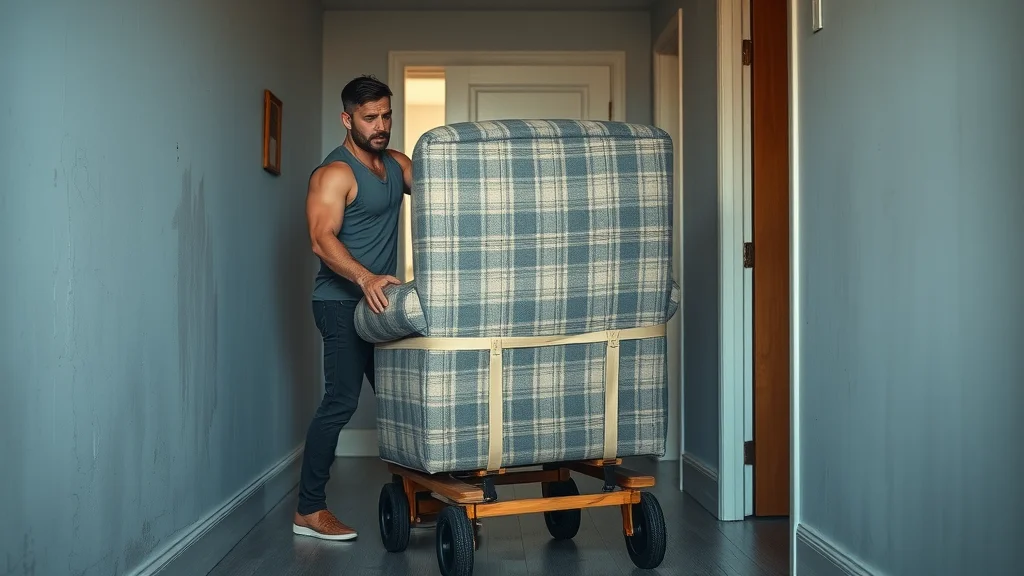
Bulky items like sofas, armoires, or large tables demand thoughtful planning. Disassemble pieces where possible, and use moving blankets and furniture dollies to guide them through doorways with ease. Always secure moving straps around heavy box items to distribute weight safely, and recruit help—no one should attempt these moves alone.
Pad corners and exposed legs with extra bubble wrap to prevent scratches or dents. Labeling wrap or tape helps identify fragile components during unpacking. Remember: slow, careful movement is far safer than rushing, especially with heavy or awkward pieces. These packing and moving tips can help prevent damage and injury when handling oversized belongings.

Moving Tip: Packing Tip for Electronics and Delicate Items
Electronics require their own set of moving tips and tricks for safe travel. Whenever possible, use the original box, complete with foam inserts and anti-static bags. Lacking originals, choose snug cardboard boxes, filling empty spaces with clothing or paper towels for shock absorption. Coil cables, label them, and tape to the device to avoid tangles.
Take a photo of complicated setups before unplugging—this packing tip makes reassembly easier at your new place. Avoid stacking heavy items on delicate electronics, and always keep screens and glass components upright to lessen the risk of cracks or scratches. With a little extra care, your electronics will safely survive the move.
Packing and Moving With Kids or Pets
Moving Tips and Tricks for Family Moves
Moving with young children or pets requires planning and patience. Start by involving kids in designated packing tasks—they can help label boxes or choose which decor items to bring for their rooms. Set aside a special “comfort kit” for everyone: favorite toys, snacks, or a blanket keep spirits high and stress levels low. For pets, pack essentials like food, water, and familiar bedding, and keep them in a quiet space on moving day.
Keep routines as normal as possible. Assign one adult to supervise children or pets while others handle packing and moving boxes. Once in your new home, prioritize setting up kids’ rooms or pet spaces first, ensuring a sense of stability for your loved ones. These family-focused packing and moving tips turn a disruptive process into an adventure and help everyone settle in sooner.

Eco-Friendly Moving Tips and Tricks
Sustainable Packing and Moving Choices
Reusing grocery store boxes and supplies
Donating unwanted items
Eco-friendly packing materials recommendation
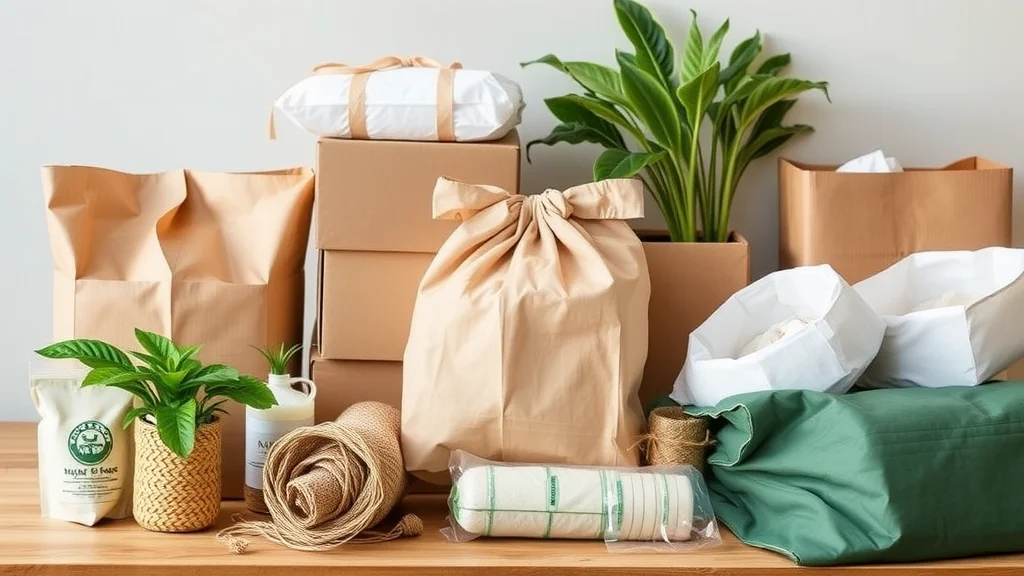
For an eco-friendly move, seek out biodegradable or recycled moving boxes, and opt for packing tape and bubble wrap made from sustainable materials. Collect boxes and supplies from a grocery store or friends to minimize waste. Instead of tossing unwanted goods, donate them to local charities or thrift stores—this reduces your load and benefits others.
Towels, linens, and soft clothing double as excellent protective padding for dishes and decor items, cutting down on new material purchases. Whenever possible, recycle old boxes and leftover packing supplies once your move is complete. Every small, sustainable choice counts when applying these eco-friendly packing and moving tips.
People Also Ask: What is the best strategy for moving?
The best strategy for moving is to begin early, break the process into manageable parts, and prioritize organization. Use a comprehensive moving checklist, source quality packing supplies, label all moving boxes clearly, and systematically pack one room at a time. Hiring a moving company or moving service can add peace of mind, especially for large or long-distance moves. Always keep valuables and essentials with you for easy access during the transition.
People Also Ask: Is $100 per person a good tip for movers?
Tipping your movers is customary and appreciated. Generally, $5 to $10 per mover per hour or $50–$100 per person for a full day is considered a generous tip. Factors such as move complexity, weather, stairs, and service moving company quality may influence your tip amount. When in doubt, consider the level of care and professionalism shown, and choose an amount that reflects your satisfaction.
People Also Ask: What is the hardest room to pack when moving?
The kitchen is widely regarded as the hardest room to pack during a move. It contains a variety of fragile items, oddly shaped cookware, small appliances, perishable food, and numerous decor items. Taking extra care with bubble wrap for glassware and labeling boxes for each kitchen area can streamline this tricky task.
People Also Ask: What is the most forgotten thing when moving?
Commonly forgotten items when moving include essentials such as chargers, important documents, valuables hidden in drawers, and wall-hung decor items. Make a checklist of must-bring belongings to review before turning in the keys, and conduct a last sweep of every closet, shelf, and cabinet on moving day to avoid leaving behind anything important.
Frequently Asked Questions: Moving Tips and Tricks
How early should I start packing for a move?
Start packing at least four weeks before your moving day, beginning with items you use least often. This allows you to pack thoughtfully and without rushing as the date approaches.What is the safest way to move fragile items?
Use plenty of bubble wrap, packing paper, and sturdy moving boxes. Clearly label boxes as “fragile” and pack heavier items on the bottom, filling empty spaces with cushioning to prevent shifting during transport.How do I choose the right moving service or moving truck?
Research local moving companies for reviews, quotes, and insurance coverage. For DIY moves, compare rental rates and moving truck sizes to match your needs—book ahead of time for the best selection and price.Are there moving tips for packing heavy items safely?
Place heavy items in small boxes to make them manageable. Always lift with your legs, not your back, and use moving equipment like dollies or straps for added safety.What should I do on moving day to stay organized?
Keep essentials accessible, do a final walkthrough, and communicate with your moving service team. Label all boxes clearly and check off items from your moving checklist as they’re loaded and unloaded.
Key Takeaways from Our Moving Tips and Tricks
Preparation and planning are vital for stress-free moving
Use professional packing and moving tips for each stage
Right supplies and smart organization go a long way
Pro moving services may reduce workload and stress
Wrap-Up: Make Your Move Stress-Free With These Moving Tips and Tricks
By following these comprehensive moving tips and tricks, you’ll turn any big move into a smooth experience, reduce your stress, and settle into your new home with ease.
As you prepare for your next move, remember that the right storage solution can make all the difference in keeping your transition organized and hassle-free. Whether you need a temporary spot for your belongings or a secure place for seasonal items, understanding which storage unit size best fits your needs can streamline your entire moving process. Take the next step by exploring your options and ensuring your valuables are protected every step of the way. With the right planning and resources, your move can be more efficient, less stressful, and even a little exciting. Discover how a tailored storage plan can support your fresh start and set you up for success in your new home.
Ready to Move? Call Us Now or Rent Your Storage Online
Call Us Now - 231-719-2483 Or Rent Online - Visit Our Website

Sources
To further enhance your moving experience, consider exploring these authoritative resources:
This comprehensive guide offers practical advice, from finding free moving boxes to scheduling donation pickups, helping you streamline your move and reduce costs.
Provided by Forbes Home, this article delves into essential strategies such as documenting your electronics setup and packing an essentials bag, ensuring you’re well-prepared for every aspect of your move.
By incorporating these expert insights, you can navigate your moving process with greater ease and confidence.

Write A Comment